
Health & Air Quality · 6 min read · 2026-09-12
Why Kerosene Is Not a Clean Cooking Fuel—And What Families Should Use Instead
WHO guidelines explicitly classify kerosene as a polluting fuel due to toxic emissions, burn injuries, and accidental child poisoning.
Jacob Umude, PhD
Assistant Research Lead, CCCI Africa
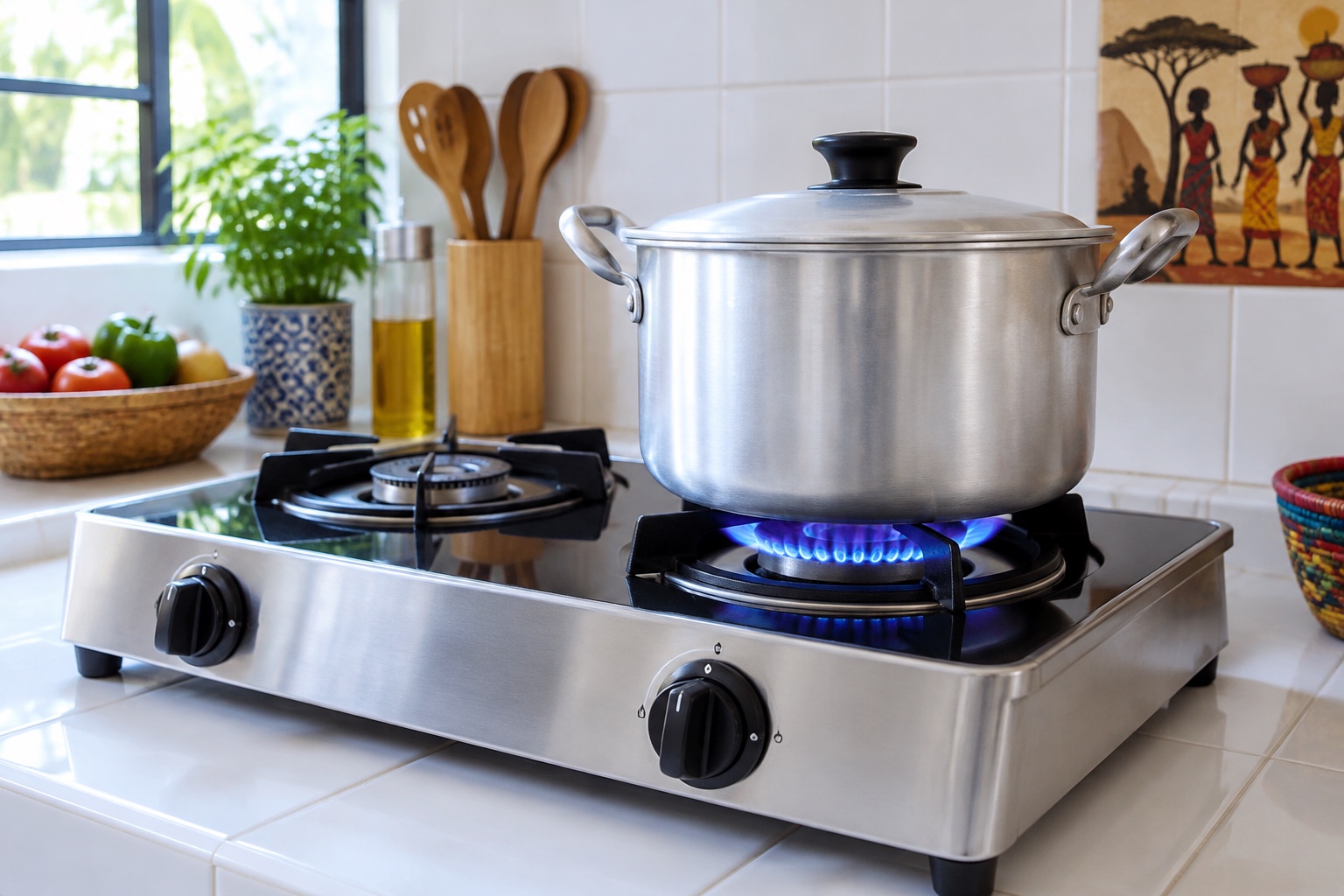
Dispelling the Kerosene Myth in Urban and Peri-Urban Nigeria
For decades, kerosene was treated as a convenient step up from firewood in peri-urban settlements. However, the World Health Organization Indoor Air Quality Guidelines formally classify kerosene as a polluting fuel. Wick kerosene stoves release concentrated black carbon and nitrogen dioxide directly at breathing height.
Beyond respiratory harm, kerosene carries severe safety hazards: flare-ups cause devastating domestic burn injuries, and kerosene stored in reused beverage bottles remains a frequent trigger of emergency child poisonings.
Helping Families Choose Safe, Affordable Alternatives
Through CCCI Africa's technology-choice model, members aren't locked into one expensive fuel. Whether a household thrives with an advanced biomass gasifier burning agricultural pellets, a community biodigester, or a micro-financed LPG cylinder, CCCI Units guide families safely past kerosene for good.
Research References & Sources
- World Health Organization (2023). WHO Guidelines for Indoor Air Quality: Household Fuel Combustion.
- World Bank ESMAP (2022). Kerosene Subsidies and Health Externalities in Developing Economies.
Support 200,000 Clean Kitchens Across Africa by 2030
Join a local CCCI Unit, dial *4428* for 24-hour clean cookstove access, or partner with CCCI Africa to scale women-led clean energy solutions.
Join or Partner TodayRelated Research Briefings
Health & Air Quality
The Silent Emergency: Why Household Air Pollution Remains Africa's Most Overlooked Public Health Crisis
7 min read
Health & Air Quality
Protecting Children Under Five: How Clean Cookstoves Slash Childhood Pneumonia Risk
6 min read
Health & Air Quality
Smoke-Free Pregnancies: What Clinical Research Reveals About Cooking Smoke and Maternal Outcomes
6 min read