
Health & Air Quality · 6 min read · 2026-10-14
Smoke-Free Pregnancies: What Clinical Research Reveals About Cooking Smoke and Maternal Outcomes
Prenatal exposure to firewood and kerosene smoke elevates risks of low birth weight and pre-eclampsia. Clean cooking safeguards two generations at once.
Bukola Aremu
Certified Pulmonologist & Project Manager, CCCI Africa
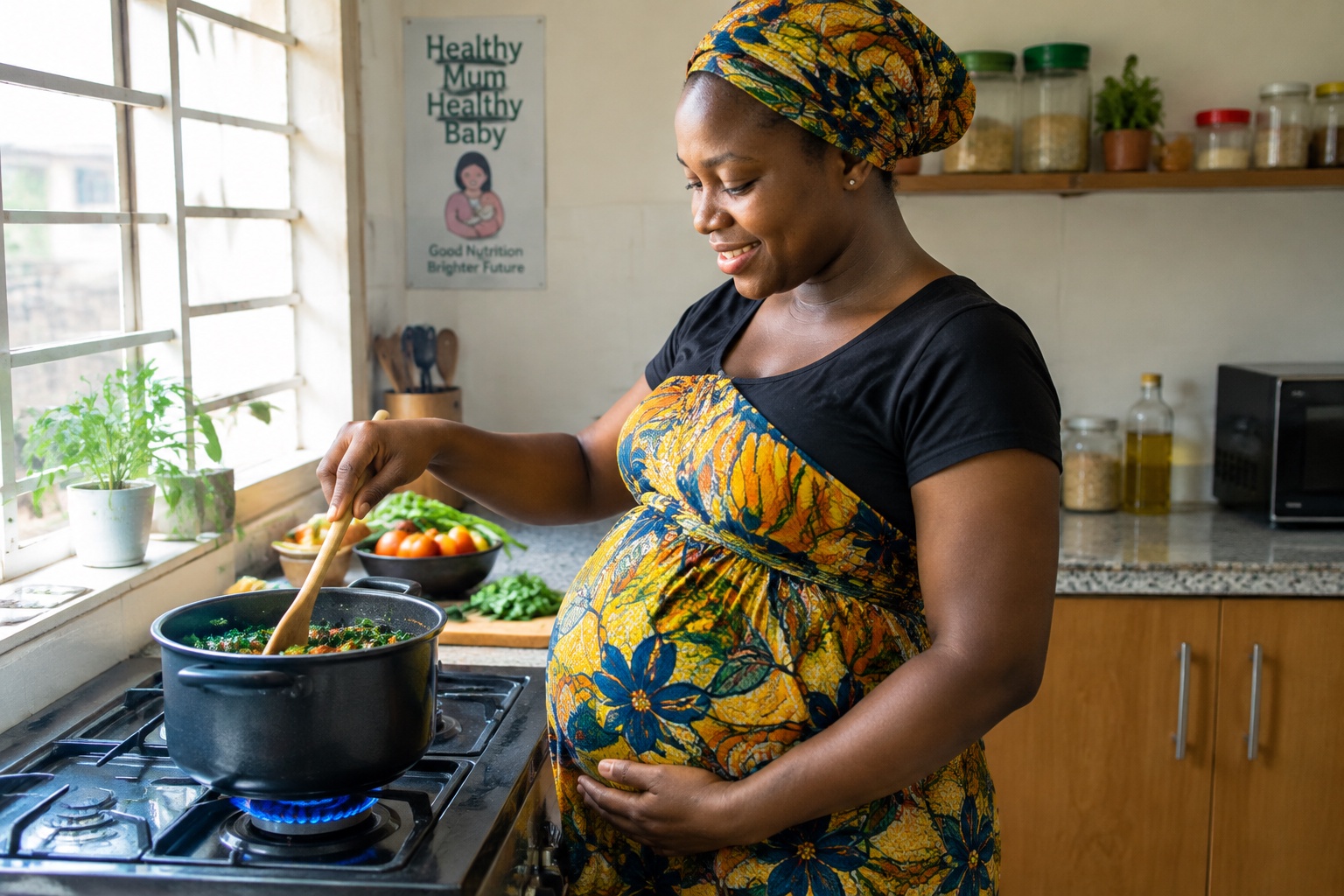
How Kitchen Carbon Monoxide Affects Fetal Development
When a pregnant woman cooks over a three-stone fire or wick kerosene stove, inhaled carbon monoxide forms carboxyhemoglobin in her bloodstream. This directly reduces oxygen delivery to the developing fetus, contributing to intrauterine growth restriction, low birth weight, and elevated stillbirth risk.
Landmark maternal cohort studies conducted in Nigeria, Ghana, and Guatemala—including the HAPIN multi-country randomized trial—have underscored how critical clean fuel access is during pregnancy and early infancy.
Putting Mothers at the Center of CCCI Units
Because CCCI Africa partners directly with women's groups and community health liaisons, expectant and young mothers receive priority onboarding into clean cookstove financing. Saving $150 annually on fuel also frees household income for nutritious food and prenatal care.
Research References & Sources
- New England Journal of Medicine (2023). HAPIN Trial: Household Air Pollution Intervention Network.
- International Journal of Environmental Research and Public Health (2022). Maternal Exposure to Biomass Smoke and Birth Outcomes in Nigeria.
Support 200,000 Clean Kitchens Across Africa by 2030
Join a local CCCI Unit, dial *4428* for 24-hour clean cookstove access, or partner with CCCI Africa to scale women-led clean energy solutions.
Join or Partner TodayRelated Research Briefings
Health & Air Quality
The Silent Emergency: Why Household Air Pollution Remains Africa's Most Overlooked Public Health Crisis
7 min read
Health & Air Quality
Protecting Children Under Five: How Clean Cookstoves Slash Childhood Pneumonia Risk
6 min read
Health & Air Quality
Beyond the Lungs: The Hidden Toll of Cooking Smoke on Women's Vision and Heart Health
5 min read