
Health & Air Quality · 7 min read · 2026-11-12
The Silent Emergency: Why Household Air Pollution Remains Africa's Most Overlooked Public Health Crisis
Over 900 million people in sub-Saharan Africa still cook over open fires. Clinical evidence shows how clean cookstoves save lives from day one.
Bukola Aremu
Certified Pulmonologist & Project Manager, CCCI Africa
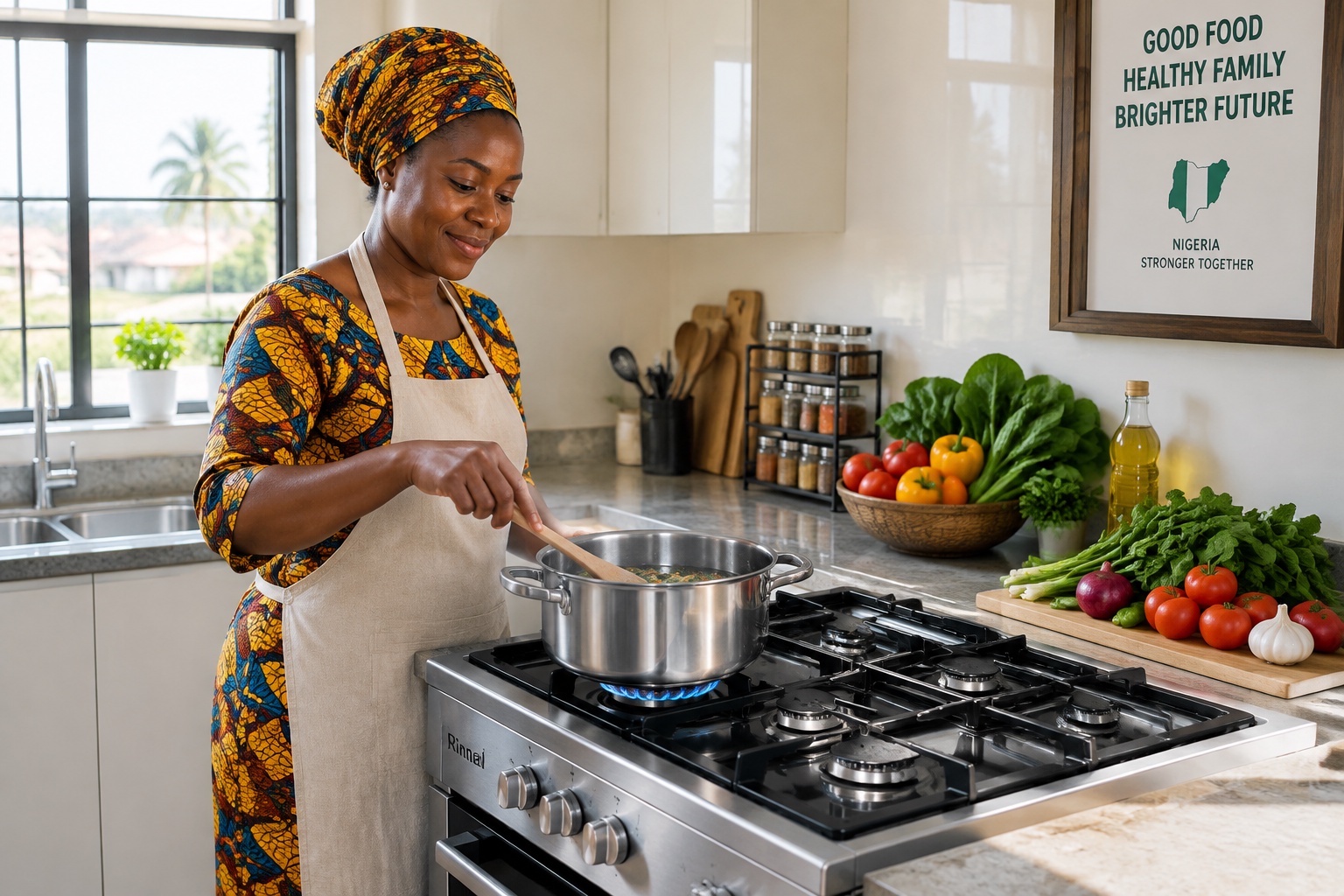
A Daily Meal Should Never Be a Health Hazard
According to the World Health Organization (WHO), more than 2.1 billion people worldwide still cook using open fires or inefficient stoves fueled by kerosene, biomass, and coal. Across sub-Saharan Africa, the challenge is uniquely acute: over 900 million people rely on polluting solid fuels, and population growth has outpaced clean cooking expansion for more than a decade.
When firewood or charcoal burns inside an enclosed or semi-enclosed kitchen, incomplete combustion releases dense plumes of fine particulate matter (PM2.5), carbon monoxide, benzene, and polycyclic aromatic hydrocarbons. Breathing that smoke for four hours a day is roughly equivalent to inhaling dozens of cigarettes—yet it happens to infants strapped to their mothers' backs.
What Pulmonology Data Tells Us About Smoke-Free Kitchens
Clinical surveillance across West Africa links chronic biomass smoke exposure to childhood pneumonia, chronic obstructive pulmonary disease (COPD), ischemic heart disease, stroke, and lung cancer. The Lancet Commission on Pollution and Health identifies household air pollution as one of the largest modifiable environmental risk factors on the continent.
When households transition to clean-burning gasifier, biogas, or LPG stoves—and sustain exclusive use—kitchen PM2.5 concentrations drop by 60% to 90%. Families report immediate relief from eye irritation, persistent coughing, and headaches within days.
Closing the Health Gap Within 24 Hours
Public health interventions fail when access takes months of paperwork. Through CCCI Africa's 300+ grassroots CCCI Units and *4428* USSD onboarding, families move from smoke-filled hearths to vetted clean cookstoves in 24 hours—turning clinical evidence into immediate, community-owned protection on the path to 200,000 clean kitchens by 2030.
Research References & Sources
- World Health Organization (WHO) (2024). Household Air Pollution and Health Fact Sheet.
- IEA, IRENA, UNSD, World Bank, WHO (2024). Tracking SDG 7: The Energy Progress Report.
- The Lancet Planetary Health (2022). The Lancet Commission on Pollution and Health.
Support 200,000 Clean Kitchens Across Africa by 2030
Join a local CCCI Unit, dial *4428* for 24-hour clean cookstove access, or partner with CCCI Africa to scale women-led clean energy solutions.
Join or Partner TodayRelated Research Briefings
Health & Air Quality
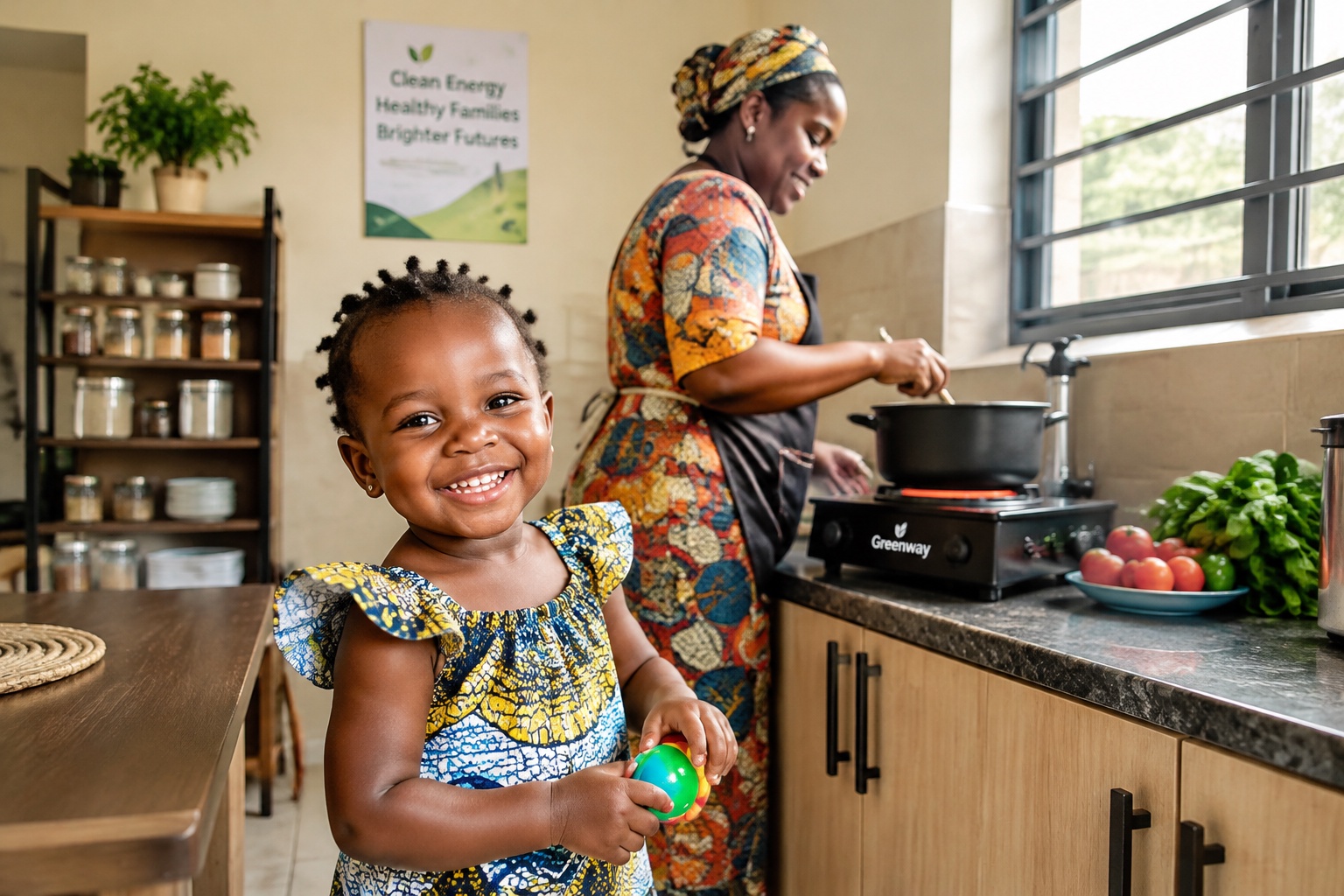
Protecting Children Under Five: How Clean Cookstoves Slash Childhood Pneumonia Risk
6 min read
Health & Air Quality
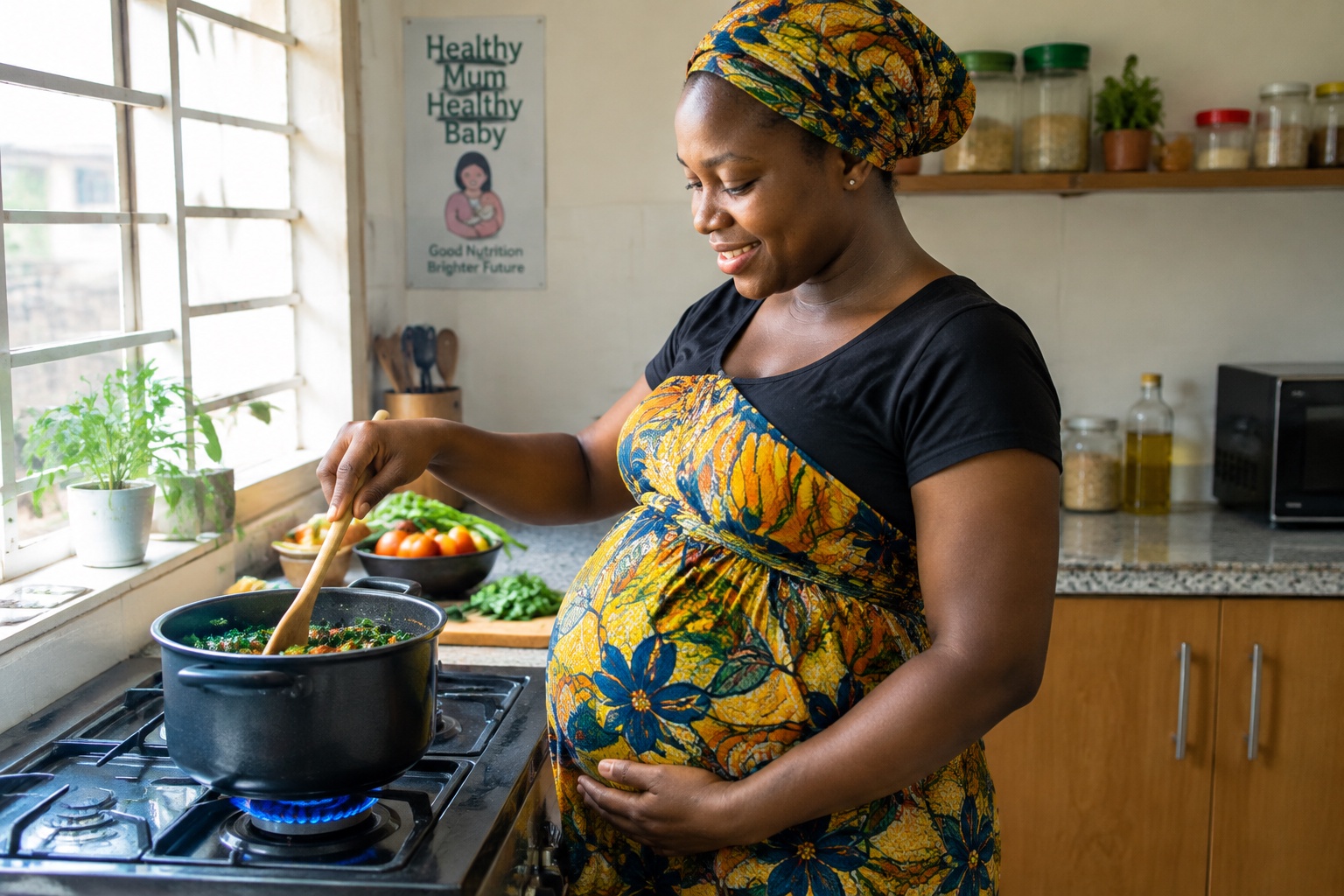
Smoke-Free Pregnancies: What Clinical Research Reveals About Cooking Smoke and Maternal Outcomes
6 min read
Health & Air Quality
Beyond the Lungs: The Hidden Toll of Cooking Smoke on Women's Vision and Heart Health
5 min read