
Climate & Forests · 5 min read · 2026-09-08
Schools and PTAs as Engines of Forest Restoration: Lessons From 100+ Nigerian Classrooms
Behavioral change lasts when children lead it home. Inside CCCI Africa's school eco-clubs combining clean cooking literacy with tree planting.
Dora Achiedu
Conservation Program Manager, CCCI Africa
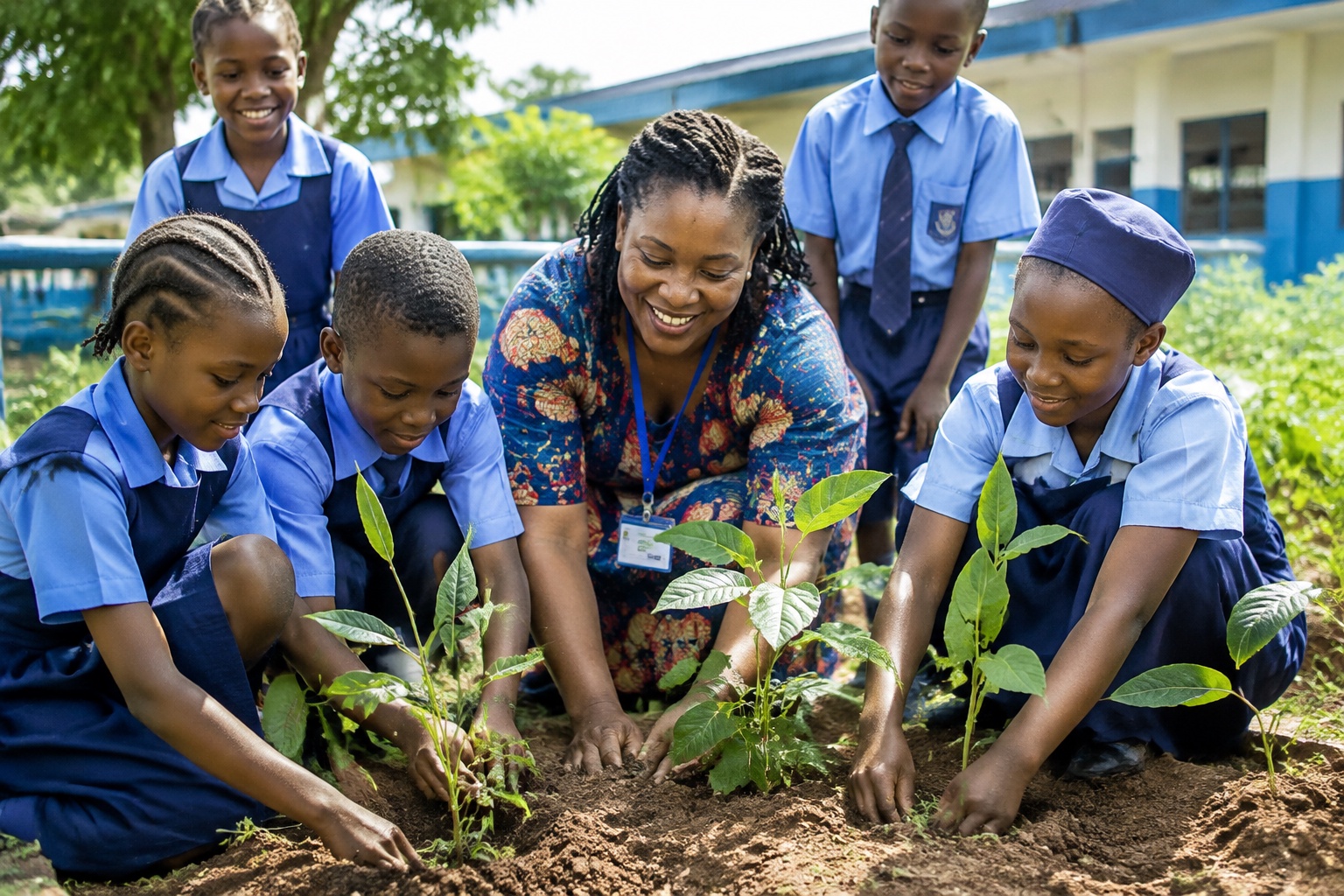
Why Intergenerational Education Accelerates Adoption
Cooking habits are deeply cultural, passed from mother to daughter over generations. Behavioral science studies in East and West Africa show that when students learn the health and ecological science of clean cooking at school—and bring that excitement to Parent-Teacher Association meetings—parents are significantly more receptive to adopting clean stoves.
At CCCI Africa's 100+ partner schools, students learn how indoor smoke damages lungs, test clean-burning stoves firsthand, and maintain native tree nurseries on school grounds.
Growing Tomorrow's Climate Workforce Today
By equipping over 5,000 youth leaders with practical conservation and clean energy skills, CCCI Africa is building a generation that treats clean kitchens and thriving forests as everyday norms.
Research References & Sources
- UNESCO (2023). Education for Sustainable Development and Youth Climate Action.
- Clean Cooking Alliance (2022). Behavior Change Communication in Clean Cooking Adoption.
Support 200,000 Clean Kitchens Across Africa by 2030
Join a local CCCI Unit, dial *4428* for 24-hour clean cookstove access, or partner with CCCI Africa to scale women-led clean energy solutions.
Join or Partner TodayRelated Research Briefings

Climate & Forests
Halting West African Deforestation: How One Clean Cookstove Saves Two Tons of Firewood Every Year
7 min read

Climate & Forests
Black Carbon and Climate Justice: Why Clean Cooking Is One of the Fastest Climate Wins Available
6 min read
Climate & Forests
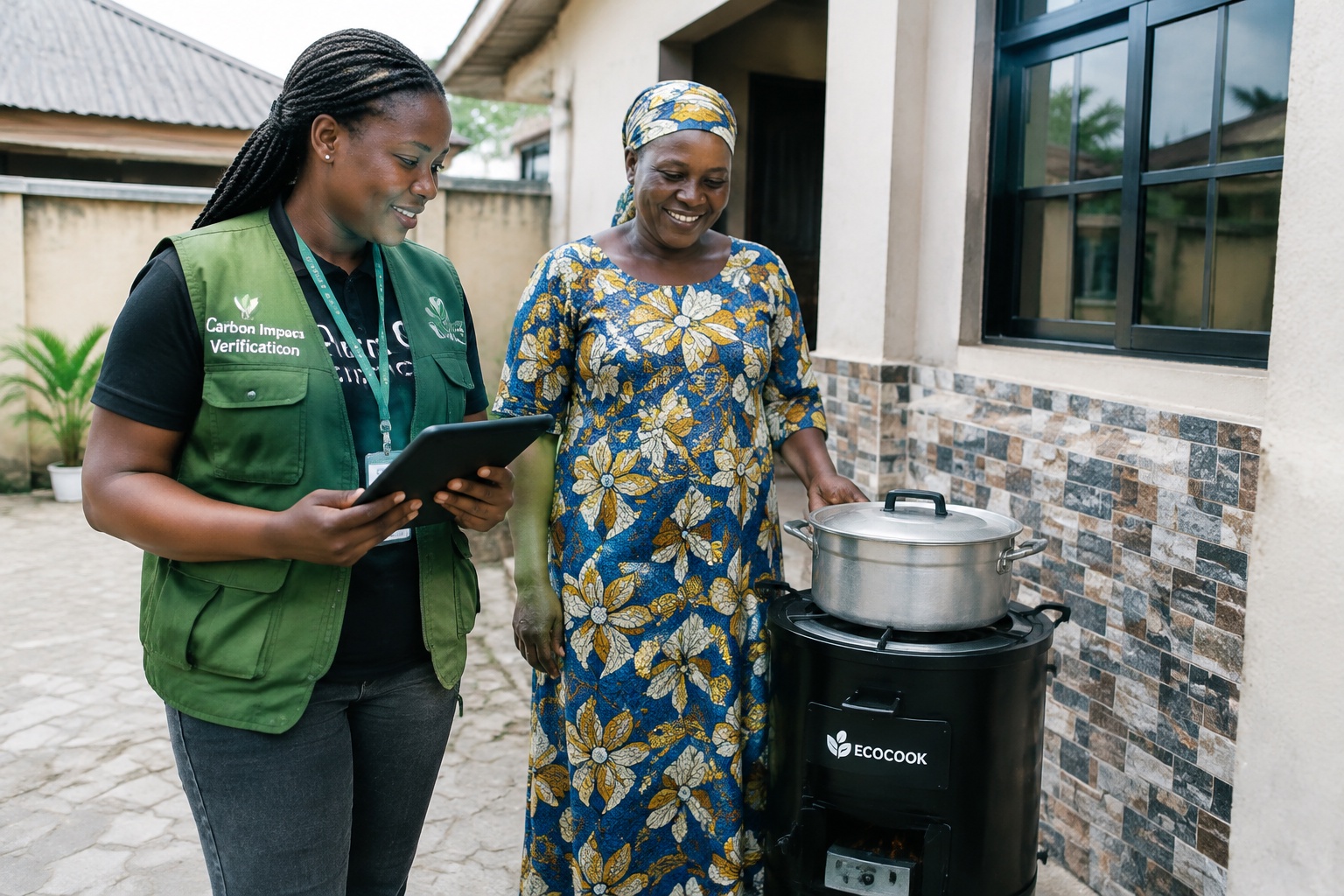
High-Integrity Carbon Finance: How Transparent MRV Makes Carbon Credits Work for African Households
7 min read