
Climate & Forests · 6 min read · 2026-11-01
Black Carbon and Climate Justice: Why Clean Cooking Is One of the Fastest Climate Wins Available
Residential biomass burning generates up to 25% of global black carbon emissions. Eliminating kitchen soot cools the climate within weeks.
Leandro Manzanas, PhD
Program Advisor, CCCI Africa

Short-Lived Climate Pollutants With Immediate Impact
Global climate mitigation often focuses exclusively on long-lived carbon dioxide from heavy industry. Yet the Climate and Clean Air Coalition (CCAC) and IPCC emphasize that residential solid-fuel cooking produces roughly 2% of global greenhouse gases and up to a quarter of all human-caused black carbon.
Black carbon absorbs sunlight directly, disrupts West African monsoon dynamics, and accelerates regional warming. Because soot clears from the sky within weeks once emissions stop, clean cooking is one of the fastest-acting climate levers on Earth.
Scaling Toward 1 Million Tons of CO₂ Cut Annually
CCCI Africa's 2030 mission—distributing 200,000 clean cookstoves—is engineered to eliminate up to 1 million tons of CO₂-equivalent emissions annually while delivering immediate health and income gains to frontline African families who contributed least to the climate crisis.
Research References & Sources
- Climate & Clean Air Coalition (UNEP) (2023). Black Carbon and Household Energy Assessment.
- Nature Climate Change / IEA (2024). Clean Cooking as a Global Climate Mitigation Pathway.
Support 200,000 Clean Kitchens Across Africa by 2030
Join a local CCCI Unit, dial *4428* for 24-hour clean cookstove access, or partner with CCCI Africa to scale women-led clean energy solutions.
Join or Partner TodayRelated Research Briefings

Climate & Forests
Halting West African Deforestation: How One Clean Cookstove Saves Two Tons of Firewood Every Year
7 min read
Climate & Forests
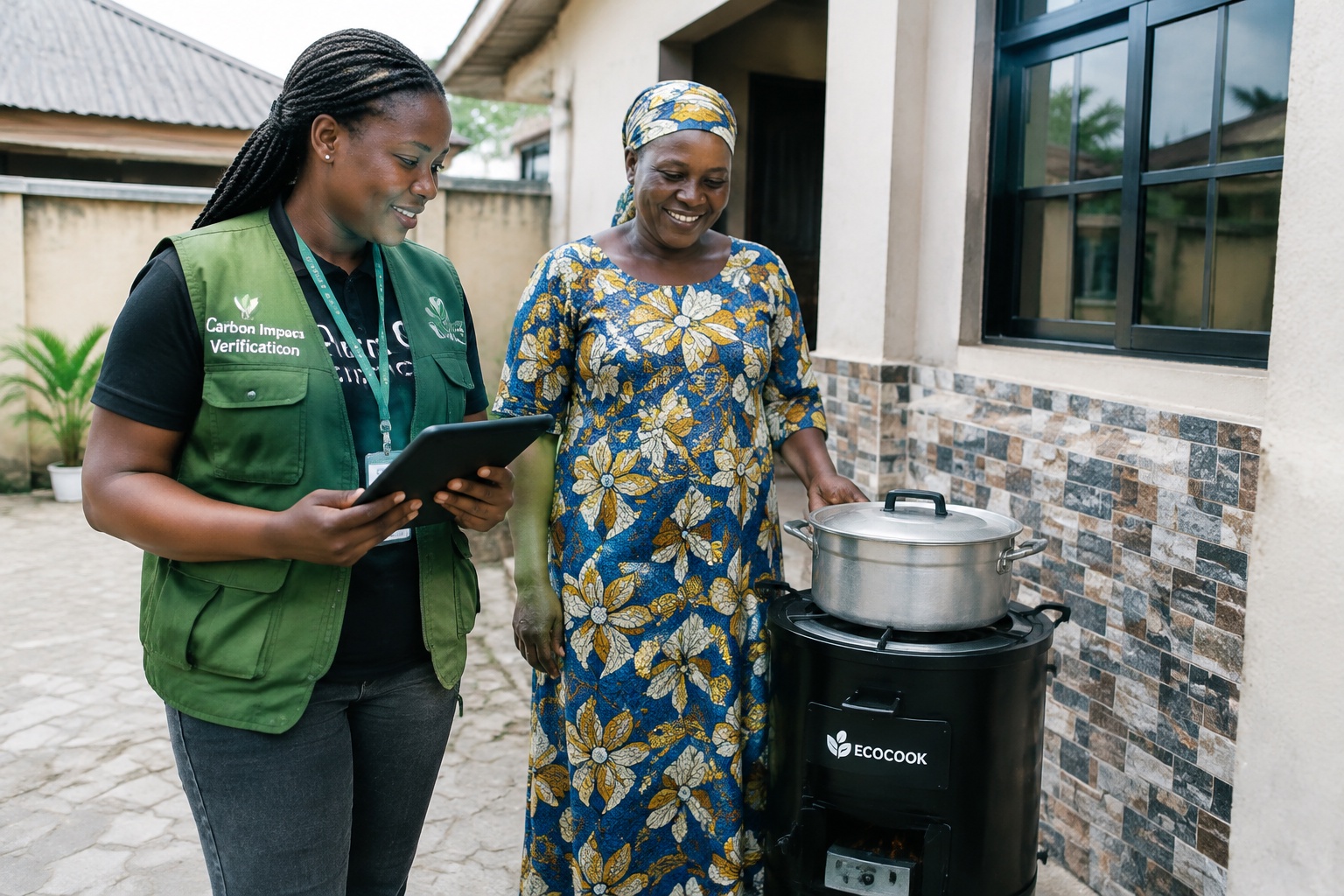
High-Integrity Carbon Finance: How Transparent MRV Makes Carbon Credits Work for African Households
7 min read
Climate & Forests
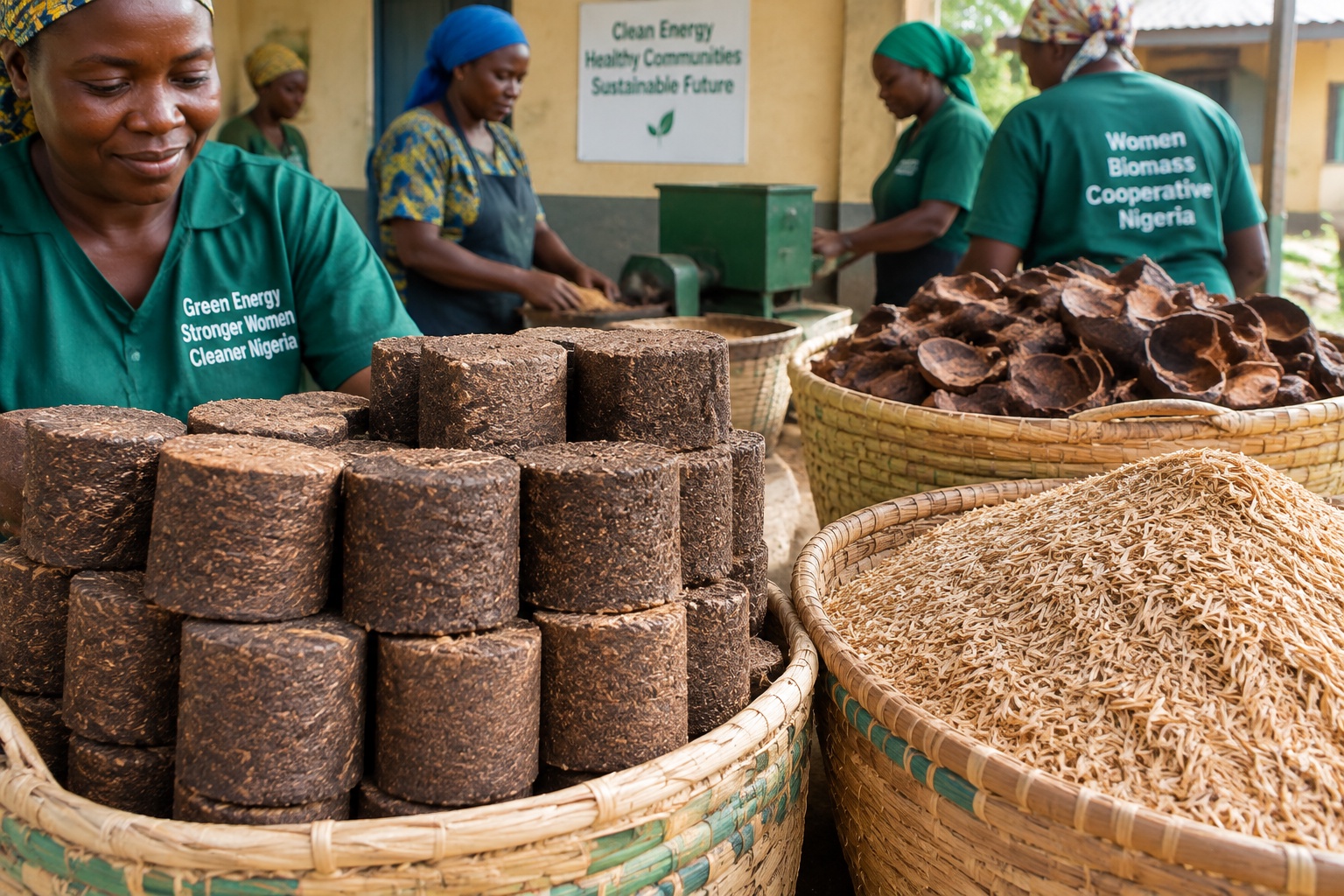
Circular Bioenergy: Turning Nigerian Agricultural Waste Into Clean, Smokeless Cooking Fuel
6 min read