
Climate & Forests · 6 min read · 2026-09-25
Circular Bioenergy: Turning Nigerian Agricultural Waste Into Clean, Smokeless Cooking Fuel
Rice husks, palm kernel shells, sawdust, and cassava peels are burned as waste across Nigeria. Biomass briquettes and biodigesters turn them into clean energy.
Awau Salaudeen, PhD
Field Biologist / Ecologist, CCCI Africa
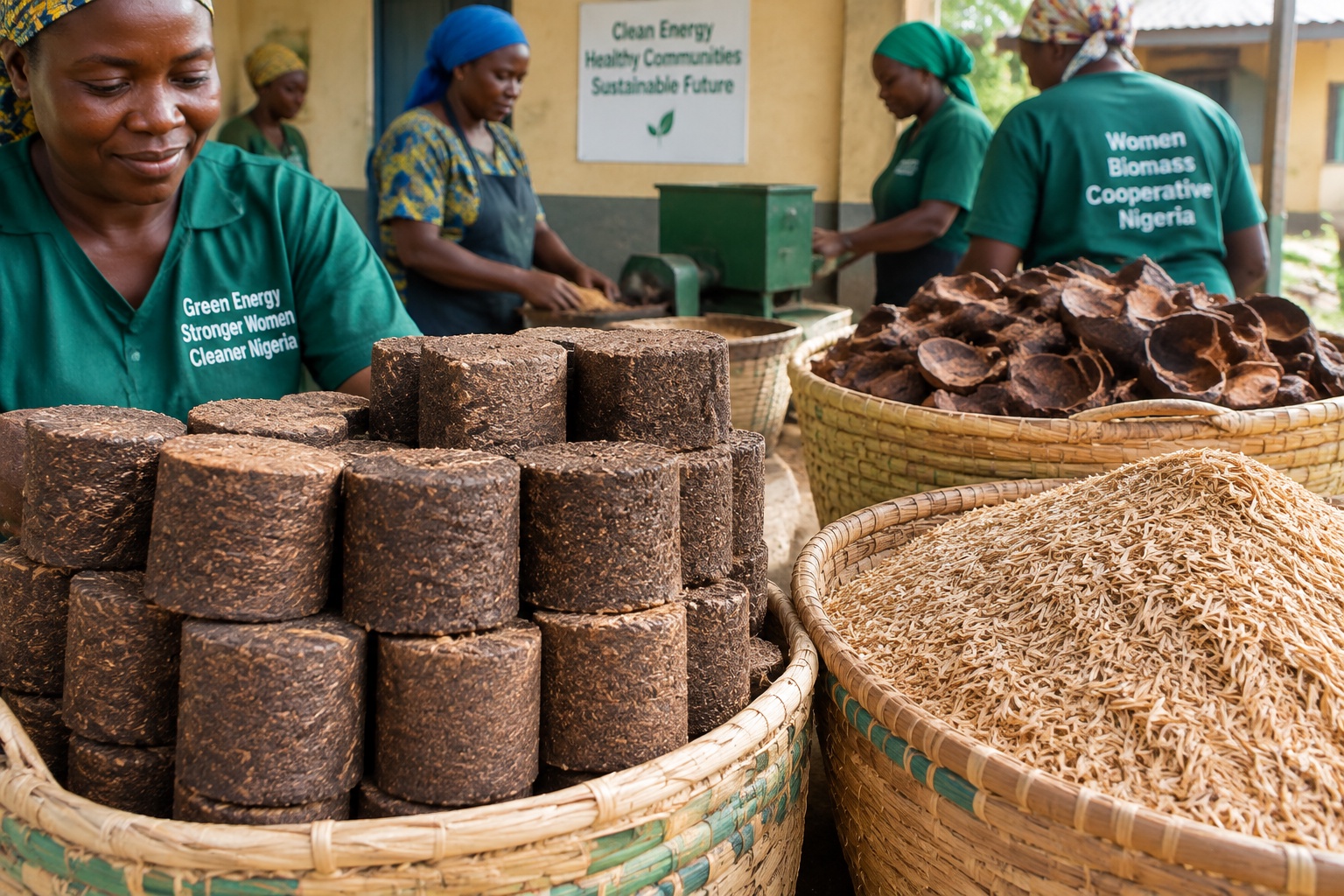
From Farm Waste to Smokeless Blue Flames
Across Nigeria's agricultural belts—from Benue and Kano to Ogun and Oyo—millions of tons of rice husks, maize cobs, coconut shells, and livestock manure go unutilized or are burned in open heaps. Yet energy research from IRENA and the African Development Bank shows that agricultural residues can supply affordable, renewable cooking fuel without cutting a single live tree.
When processed into uniform briquettes or fed into household biodigesters, waste becomes clean thermal energy. Even commercial food vendors like Aisha in Kano—who cooks for 200 customers daily—have transitioned from choking woodsmoke to clean energy produced from waste.
Creating Local Circular Economies
CCCI Africa trains farmers' associations and women's cooperatives to produce, package, and market clean biomass fuels locally—keeping energy spending inside rural villages instead of exporting it to distant fuel depots.
Research References & Sources
- IRENA & AfDB (2023). Renewable Energy Market Analysis: Africa and Its Regions.
- Energy Commission of Nigeria / UNDP (2023). Biomass Briquetting and Biogas Potential in Nigeria.
Support 200,000 Clean Kitchens Across Africa by 2030
Join a local CCCI Unit, dial *4428* for 24-hour clean cookstove access, or partner with CCCI Africa to scale women-led clean energy solutions.
Join or Partner TodayRelated Research Briefings

Climate & Forests
Halting West African Deforestation: How One Clean Cookstove Saves Two Tons of Firewood Every Year
7 min read

Climate & Forests
Black Carbon and Climate Justice: Why Clean Cooking Is One of the Fastest Climate Wins Available
6 min read
Climate & Forests
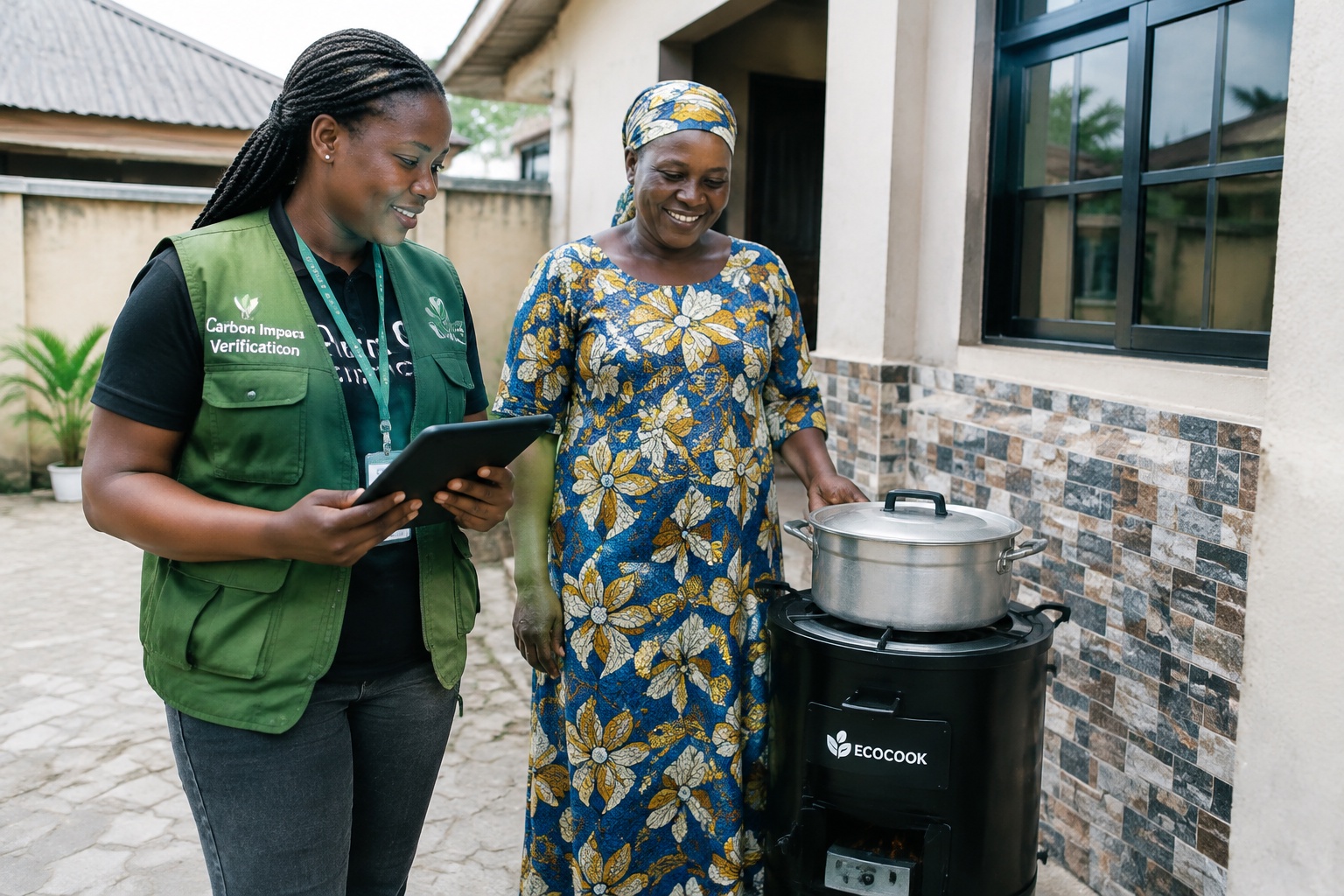
High-Integrity Carbon Finance: How Transparent MRV Makes Carbon Credits Work for African Households
7 min read