
Climate & Forests · 7 min read · 2026-10-16
High-Integrity Carbon Finance: How Transparent MRV Makes Carbon Credits Work for African Households
Clean cooking carbon projects have faced scrutiny over over-crediting. Digital monitoring and community benefit-sharing restore trust and lower stove prices.
Jacob Umude, PhD
Assistant Research Lead, CCCI Africa
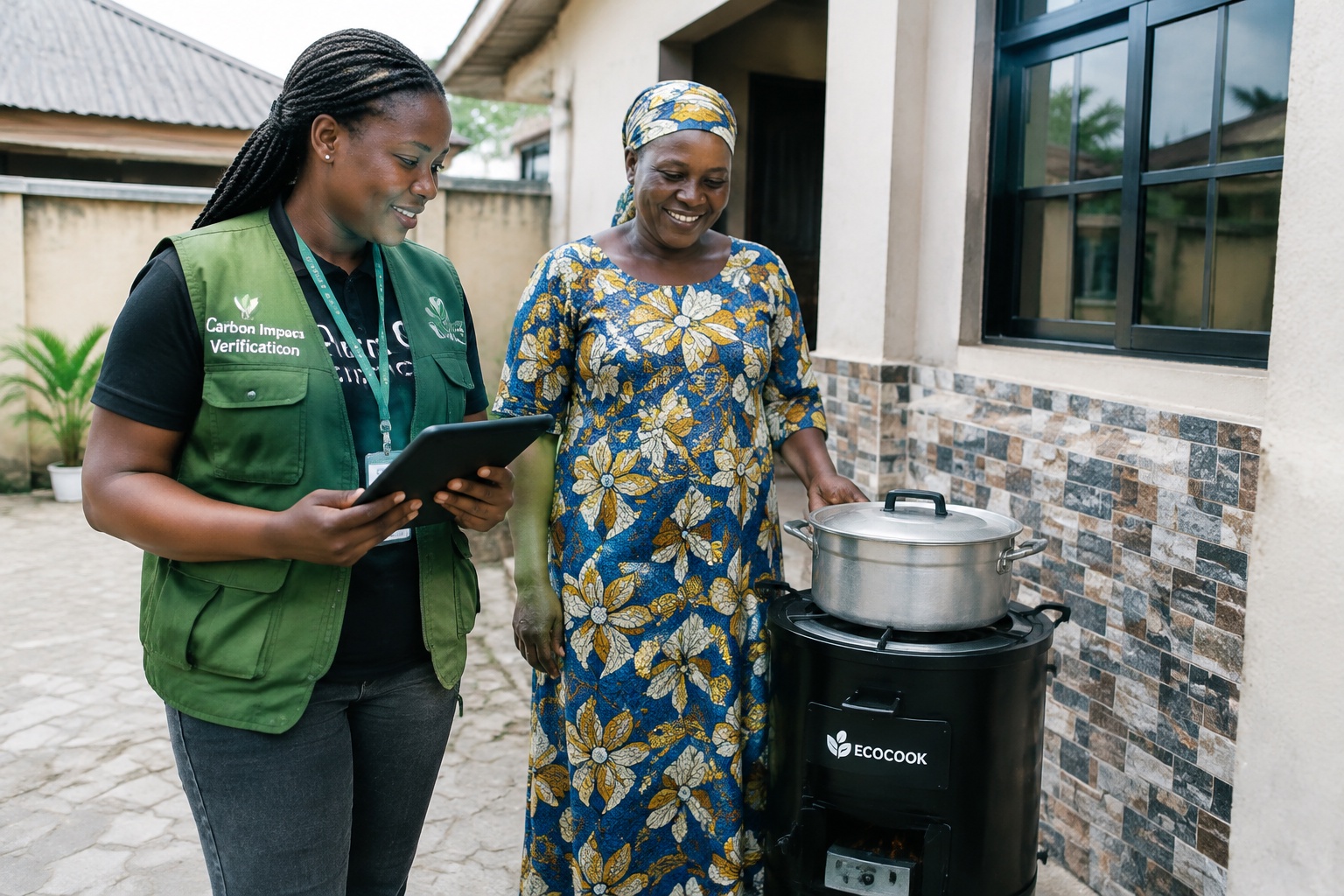
Raising the Bar for Clean Cooking Carbon Integrity
Recent peer-reviewed studies have rightly challenged legacy cookstove carbon projects that relied on outdated fraction of non-renewable biomass (fNRB) defaults and minimal post-distribution checks. High-integrity methodologies under Verra and Gold Standard now require conservative baselines, direct usage verification, and transparent community benefit-sharing.
Rather than shying away from scrutiny, credible NGOs welcome stricter standards because real impact holds up under independent measurement.
How CCCI Africa Embeds Real-Time Impact Data
Because CCCI Africa maintains ongoing relationships with 300+ grassroots CCCI Units, our teams collect real-time adoption, maintenance, and fuel-savings data directly from households. That verifiable foundation allows climate finance to flow where it belongs: lowering the cost of clean stoves for African families.
Research References & Sources
- Clean Cooking Alliance & Gold Standard (2024). CLEAR Methodology for High-Integrity Clean Cooking Carbon Credits.
- Nature Sustainability (2024). Pervasive Over-Crediting in Legacy Cookstove Offsets and Reform Pathways.
Support 200,000 Clean Kitchens Across Africa by 2030
Join a local CCCI Unit, dial *4428* for 24-hour clean cookstove access, or partner with CCCI Africa to scale women-led clean energy solutions.
Join or Partner TodayRelated Research Briefings

Climate & Forests
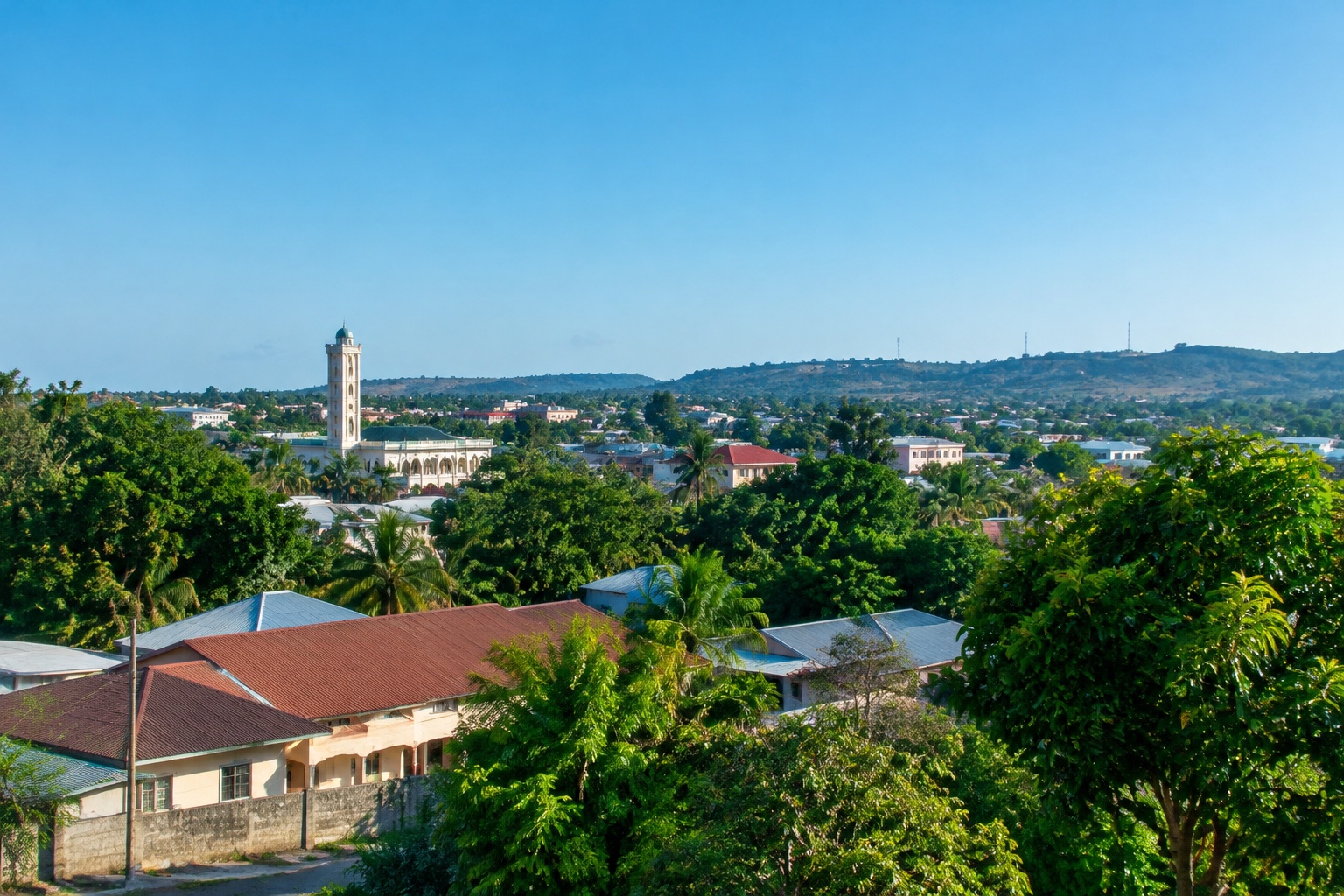
Halting West African Deforestation: How One Clean Cookstove Saves Two Tons of Firewood Every Year
7 min read
Climate & Forests
Black Carbon and Climate Justice: Why Clean Cooking Is One of the Fastest Climate Wins Available
6 min read
Climate & Forests
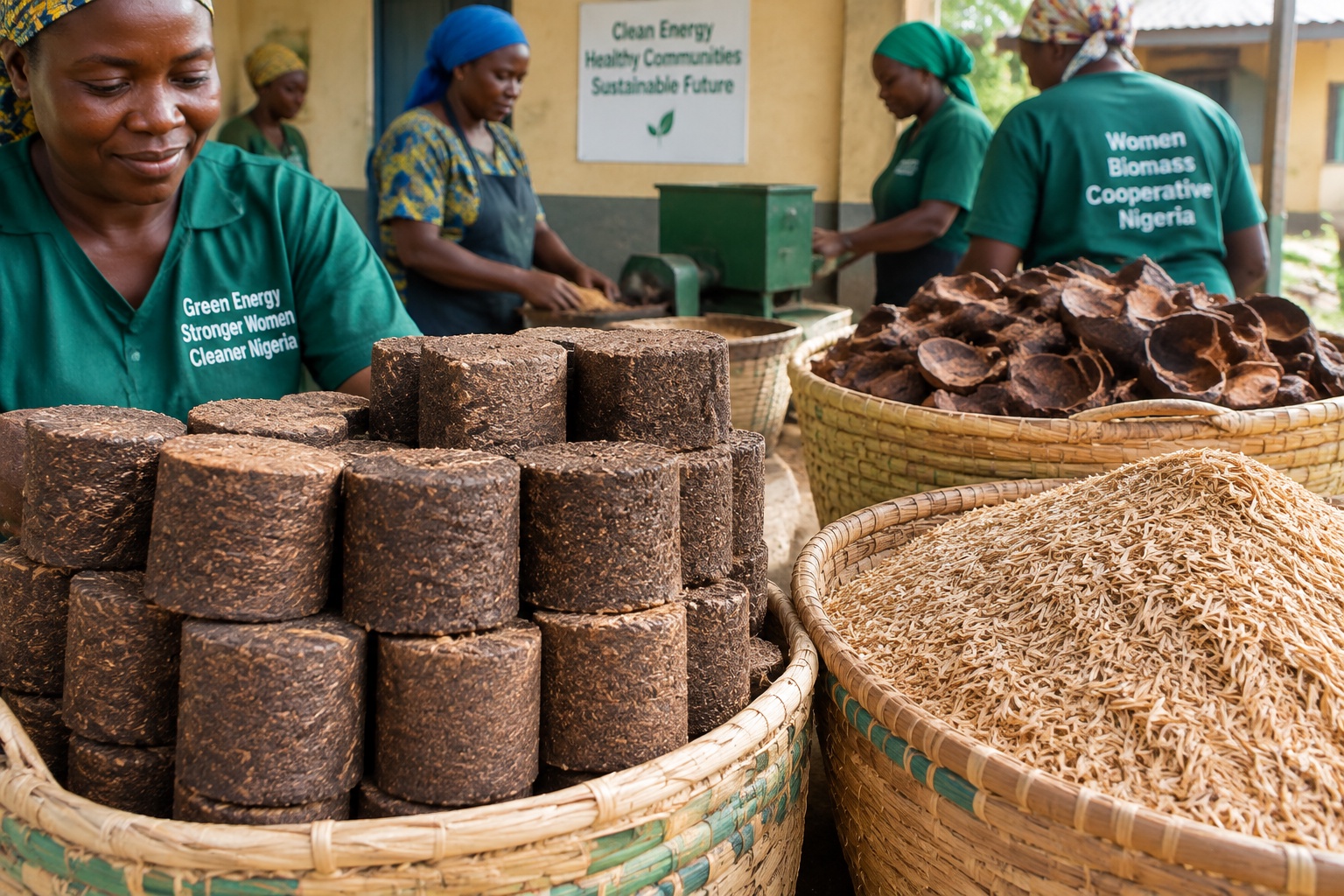
Circular Bioenergy: Turning Nigerian Agricultural Waste Into Clean, Smokeless Cooking Fuel
6 min read