
Women & Livelihoods · 6 min read · 2026-10-21
Safety Beyond the Forest: Ending the Risks Women and Girls Face Gathering Firewood
As forests recede, women and teenage girls walk miles into isolated bushland for fuel. Clean cooking is a frontline protection intervention.
Fiyin Alao
Youth Project Lead, CCCI Africa
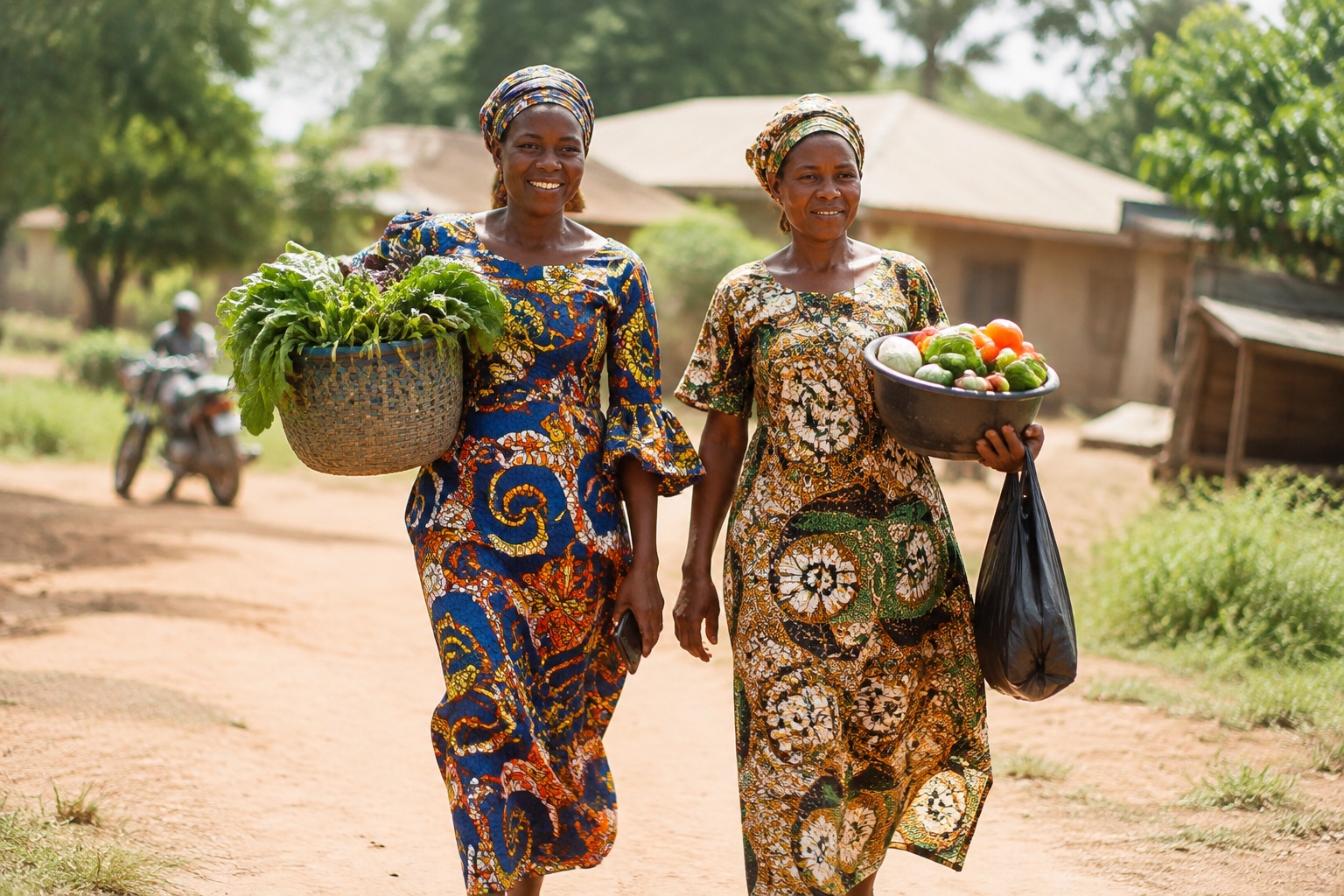
Why Fuel Scarcity Is a Personal Safety Crisis
In communities from Ogun and Ondo to Kano and Benue, deforestation has pushed usable firewood kilometers away from homes. Humanitarian and gender-safety assessments by UNHCR and the Women's Refugee Commission document that firewood collection is one of the highest-risk daily activities for women and adolescent girls—especially in displaced settlements.
As 16-year-old Simbi from Ogbere shared with CCCI Africa, trekking five miles rain or shine exposed her to constant fear of violence. Carrying heavy bundles on the head also causes long-term neck compression and chronic back pain.
Dignity and Protection Through Local Clean Energy Hubs
When CCCI Africa installs clean cookstoves and local fuel supply chains inside vulnerable communities and IDP settlements, girls no longer walk into isolated forests before dawn. Safety is restored at the root cause.
Research References & Sources
- UNHCR & FAO (2023). Safe Access to Fuel and Energy (SAFE) Humanitarian Strategy.
- Clean Cooking Alliance (2023). Gender, Energy Poverty, and Personal Security in Sub-Saharan Africa.
Support 200,000 Clean Kitchens Across Africa by 2030
Join a local CCCI Unit, dial *4428* for 24-hour clean cookstove access, or partner with CCCI Africa to scale women-led clean energy solutions.
Join or Partner TodayRelated Research Briefings

Women & Livelihoods
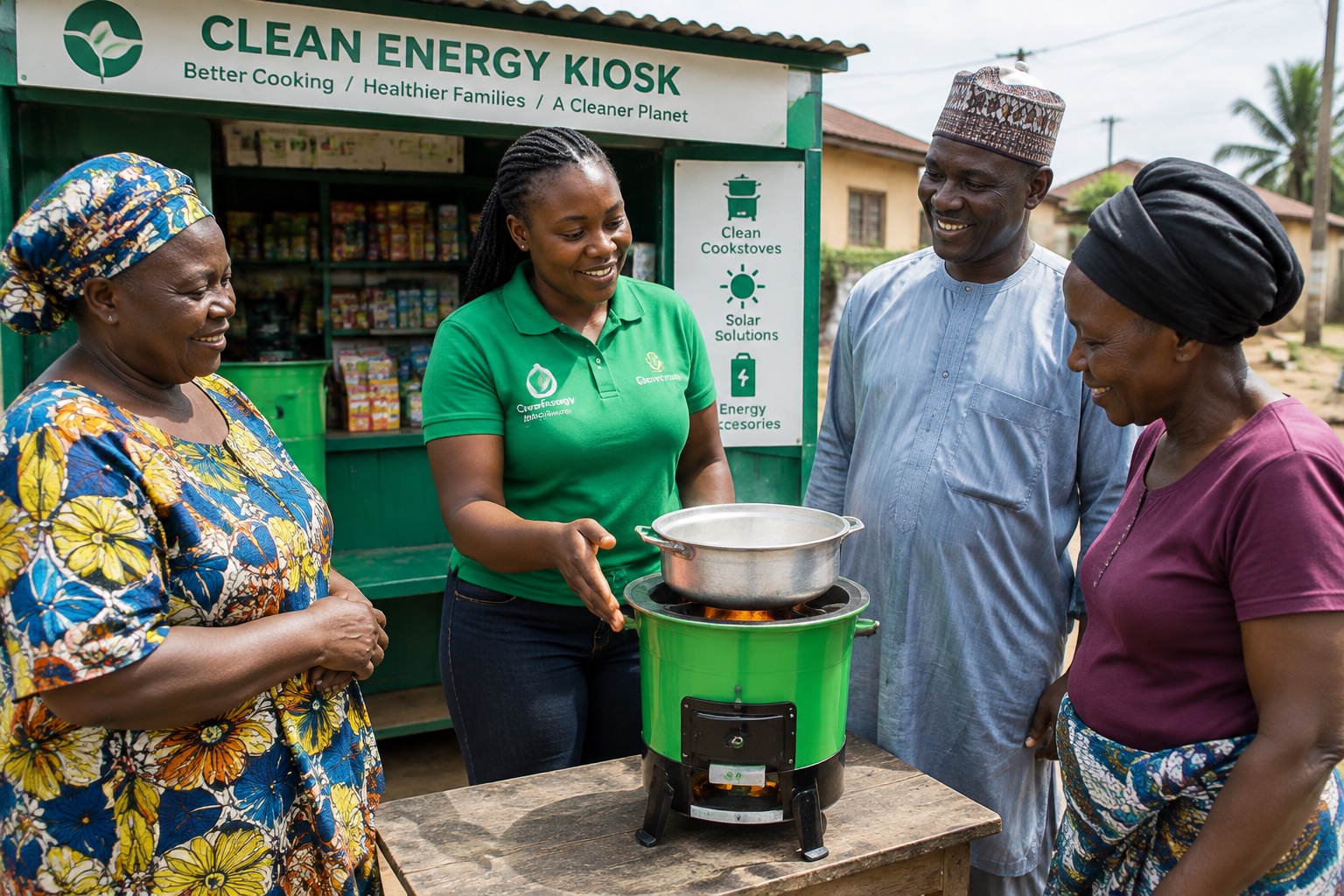
Reclaiming 14 Hours a Week: How Clean Cooking Transforms Women's Unpaid Care Work
7 min read
Women & Livelihoods
Women as Clean Energy Entrepreneurs: How CCCI Africa Is Building 50,000 Green Jobs
7 min read
Women & Livelihoods
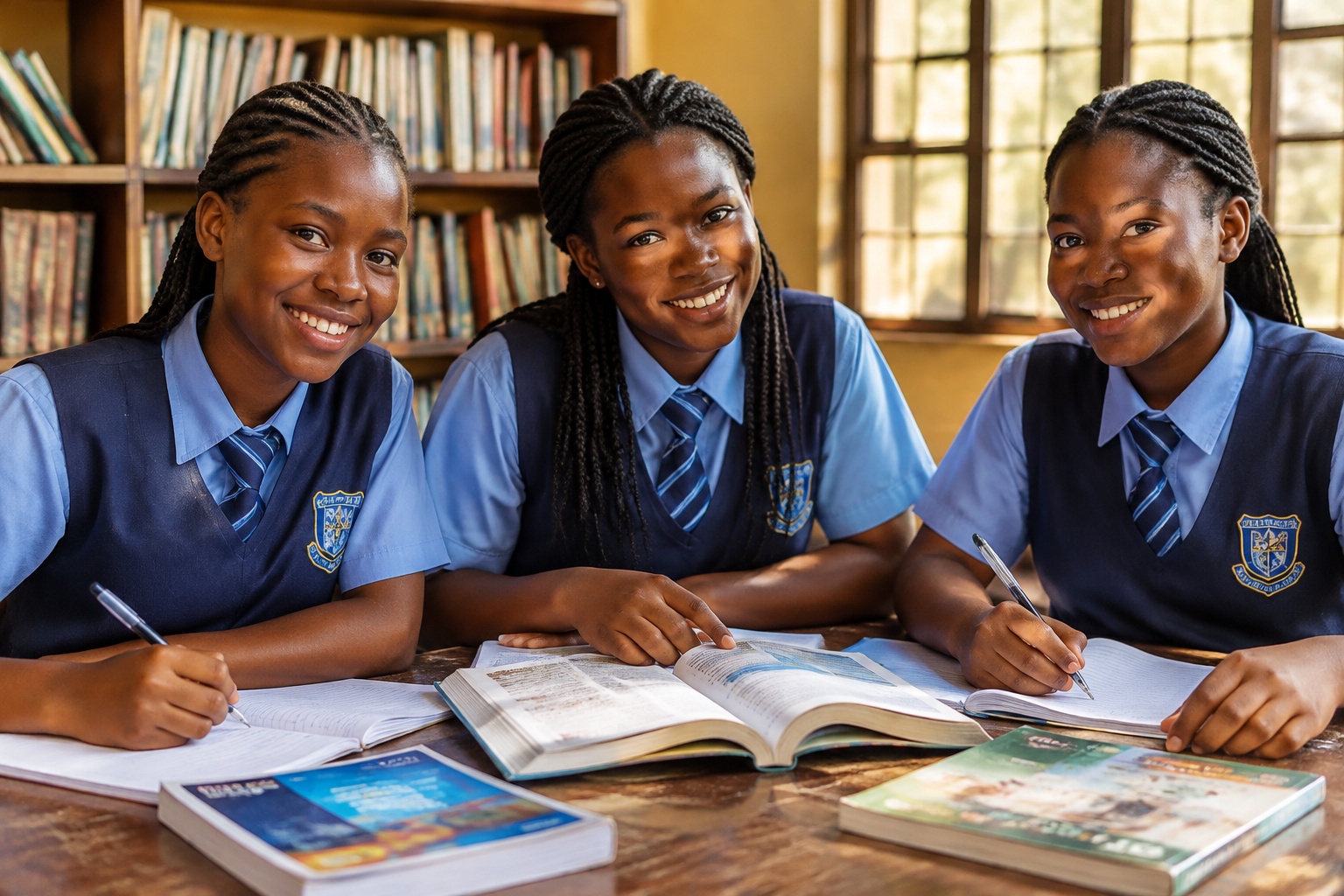
From Firewood to Classrooms: How Clean Cooking Keeps Adolescent Girls in School
5 min read