
Women & Livelihoods · 5 min read · 2026-09-22
From Firewood to Classrooms: How Clean Cooking Keeps Adolescent Girls in School
When households switch to efficient cookstoves, girls gain hours for homework, arrive to class on time, and lead climate clubs at school.
Fiyin Alao
Youth Project Lead, CCCI Africa
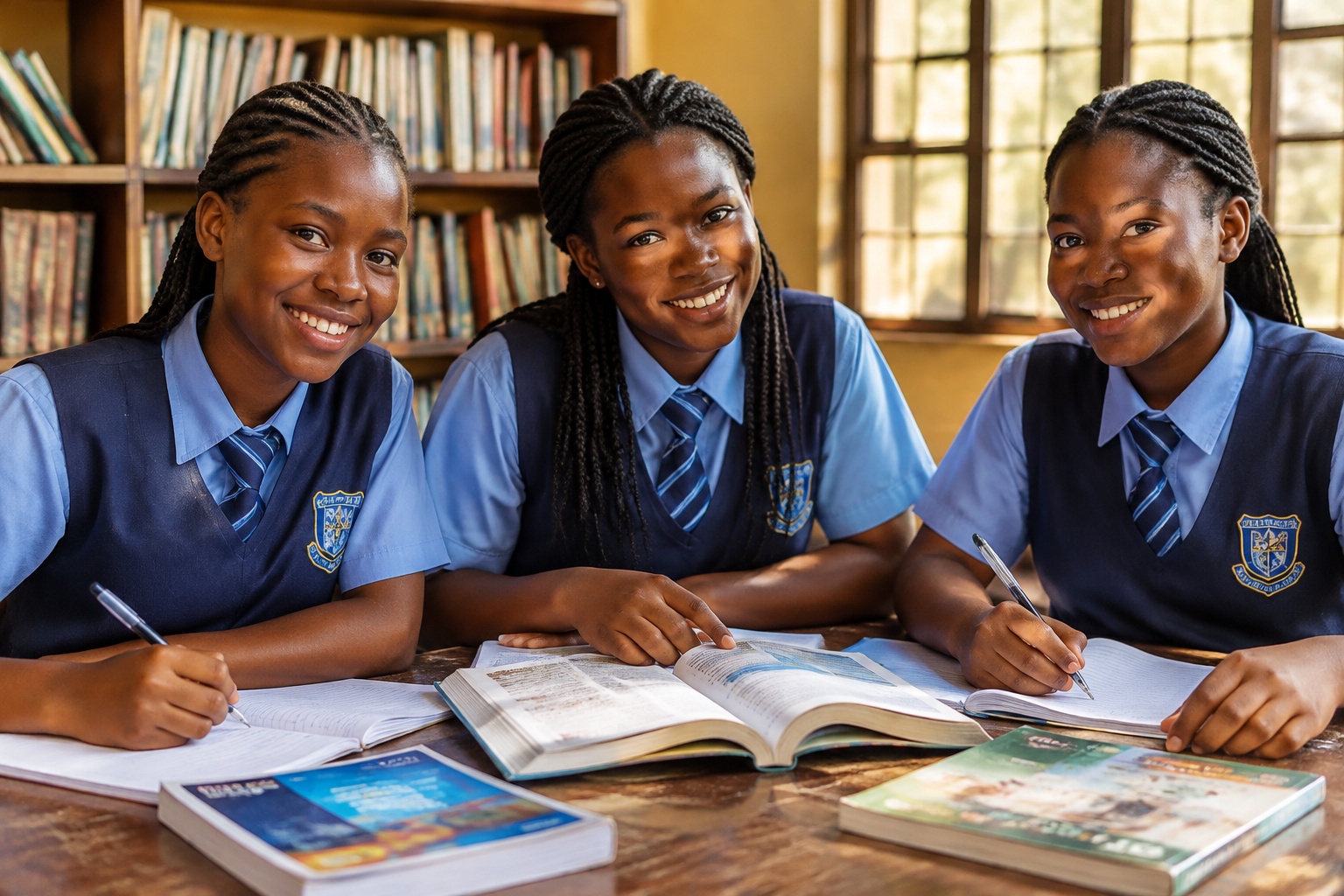
Breaking the Link Between Domestic Fuel Chores and Lost Schooling
UNICEF and World Bank education analyses highlight that adolescent girls in rural Africa spend significantly more time on domestic chores than boys, with fuel and water collection ranking near the top. Arriving exhausted after miles of trekking undermines concentration and exam performance.
When a family adopts a clean cookstove, morning meal preparation takes half the time and firewood runs disappear—giving girls like Simbi and Tolu back their mornings and evenings to read, study, and dream.
Empowering Youth as Clean Energy Champions
Across 100+ schools and PTAs, CCCI Africa pairs clean cooking literacy with tree planting and practical STEM workshops. Over 5,000 youth leaders now champion clean energy inside their own households and communities.
Research References & Sources
- UNICEF & World Bank (2023). Girls' Time Use and Educational Attainment in Sub-Saharan Africa.
- SEforALL (2024). Youth Engagement in Clean Energy Transitions.
Support 200,000 Clean Kitchens Across Africa by 2030
Join a local CCCI Unit, dial *4428* for 24-hour clean cookstove access, or partner with CCCI Africa to scale women-led clean energy solutions.
Join or Partner TodayRelated Research Briefings
Women & Livelihoods
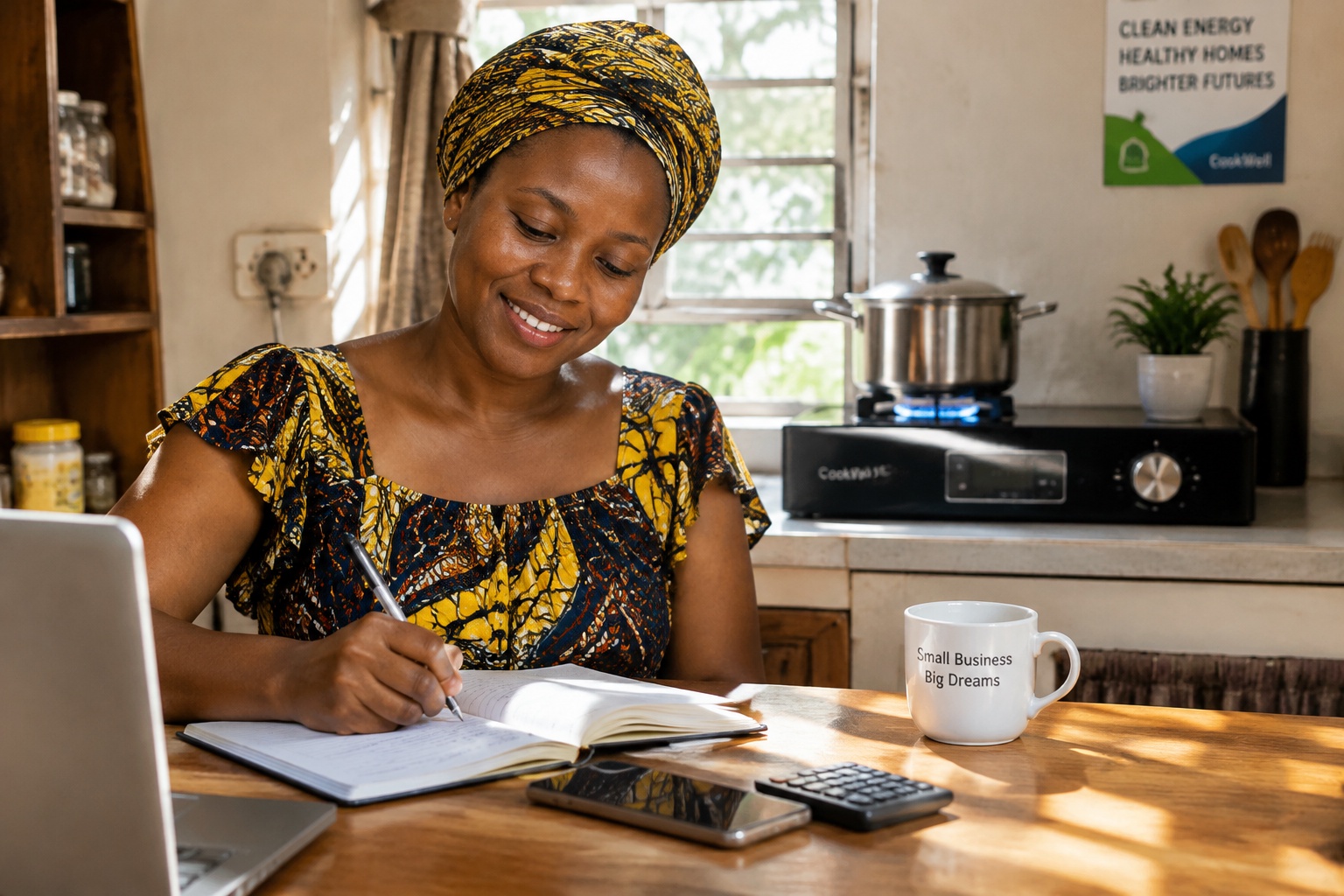
Reclaiming 14 Hours a Week: How Clean Cooking Transforms Women's Unpaid Care Work
7 min read
Women & Livelihoods
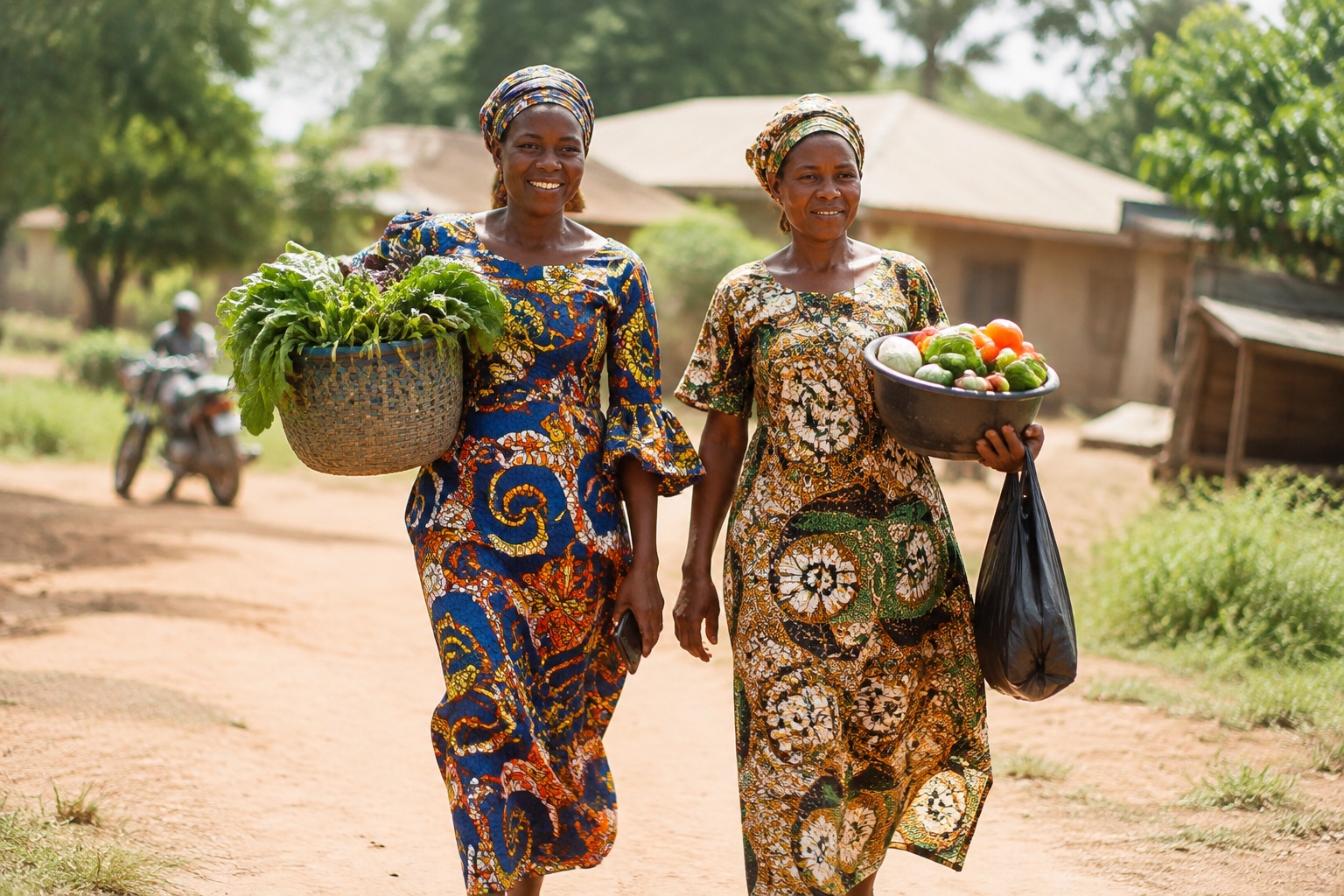
Safety Beyond the Forest: Ending the Risks Women and Girls Face Gathering Firewood
6 min read
Women & Livelihoods
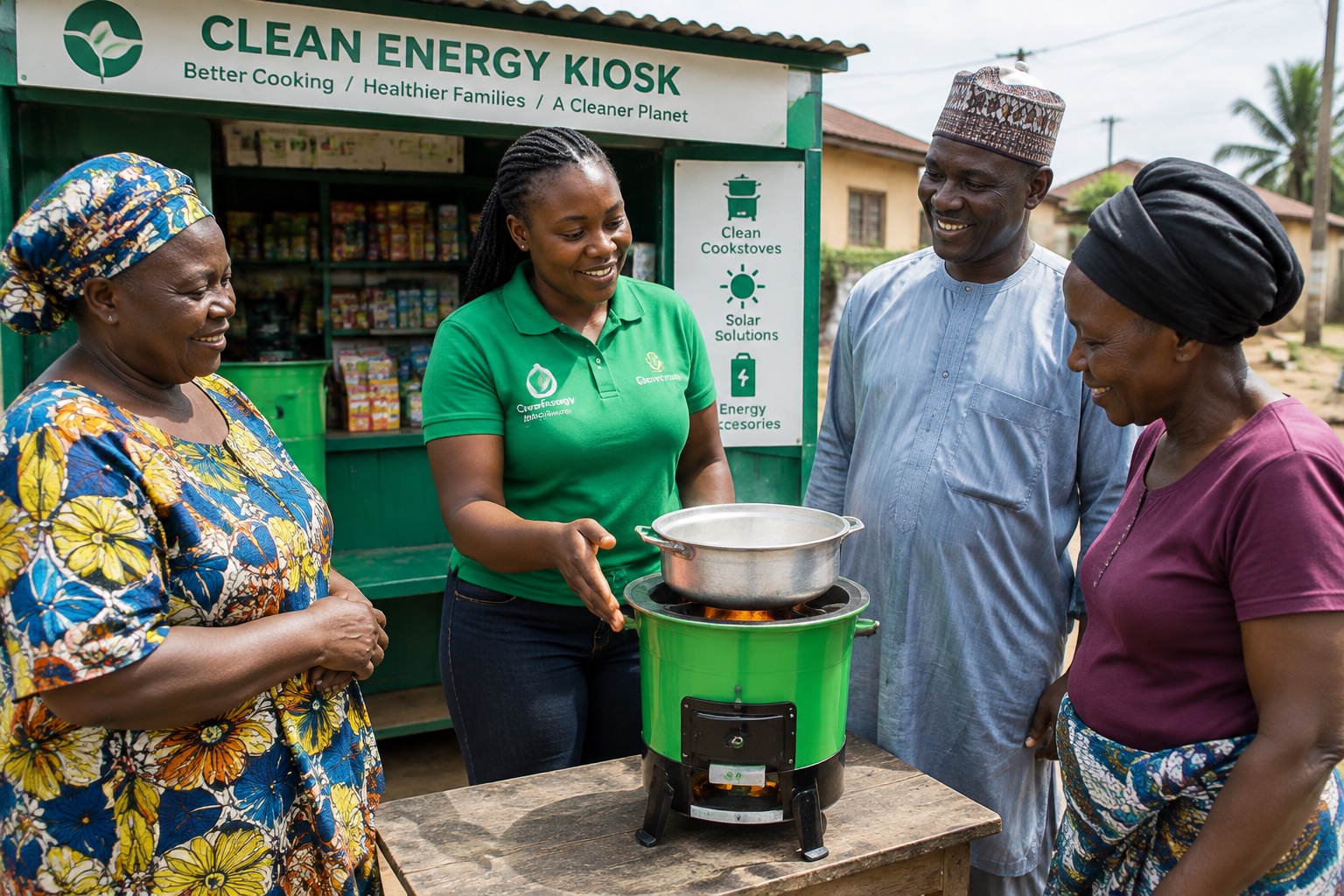
Women as Clean Energy Entrepreneurs: How CCCI Africa Is Building 50,000 Green Jobs
7 min read