
Women & Livelihoods · 7 min read · 2026-11-05
Reclaiming 14 Hours a Week: How Clean Cooking Transforms Women's Unpaid Care Work
Time-use studies across Africa show firewood collection and slow cooking consume up to 20 hours weekly. Clean stoves hand that time back to women.
Damilola Aminat, MBA
Project Manager, CCCI Africa
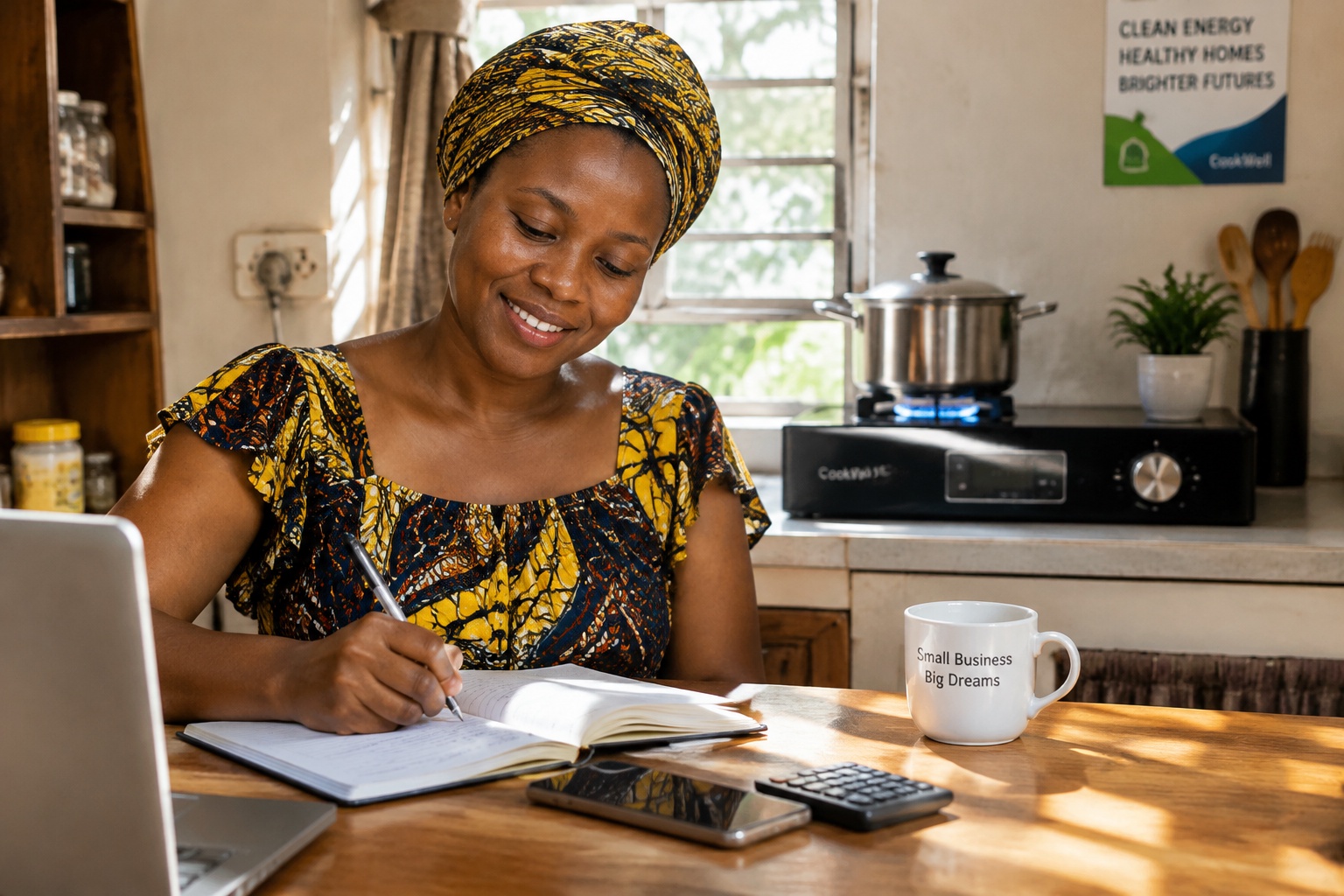
The Invisible Time Tax of Energy Poverty
Energy poverty is not only a fuel shortage—it is a time poverty crisis borne overwhelmingly by women. Research by the International Energy Agency (IEA) and UN Women documents that rural women in sub-Saharan Africa spend an average of 1.5 to 3 hours daily gathering firewood, tending smoldering three-stone fires, and scrubbing soot-blackened pots.
Over a year, that equals more than 700 hours of unpaid drudgery—time unavailable for trading, farming, literacy, childcare, or rest. Economists estimate the global productivity loss from polluting cooking at over $800 billion annually in women's time alone.
Turning Saved Hours Into Household Prosperity
Across CCCI Africa's 30,000+ powered kitchens, women consistently report that time savings are the first life-changing benefit they notice. Faster ignition, steadier heat, and cleaner cookware free hours every morning and evening.
Combined with CCCI Africa's enterprise coaching, women reinvest those reclaimed hours into food processing, clean fuel retail, and cooperative savings—multiplying family resilience.
Research References & Sources
- International Energy Agency (IEA) (2023). A Vision for Clean Cooking Access for All.
- UN Women Africa (2024). Fuel-Efficient Cooking Stoves Transform Women's Unpaid Care Work.
Support 200,000 Clean Kitchens Across Africa by 2030
Join a local CCCI Unit, dial *4428* for 24-hour clean cookstove access, or partner with CCCI Africa to scale women-led clean energy solutions.
Join or Partner TodayRelated Research Briefings
Women & Livelihoods
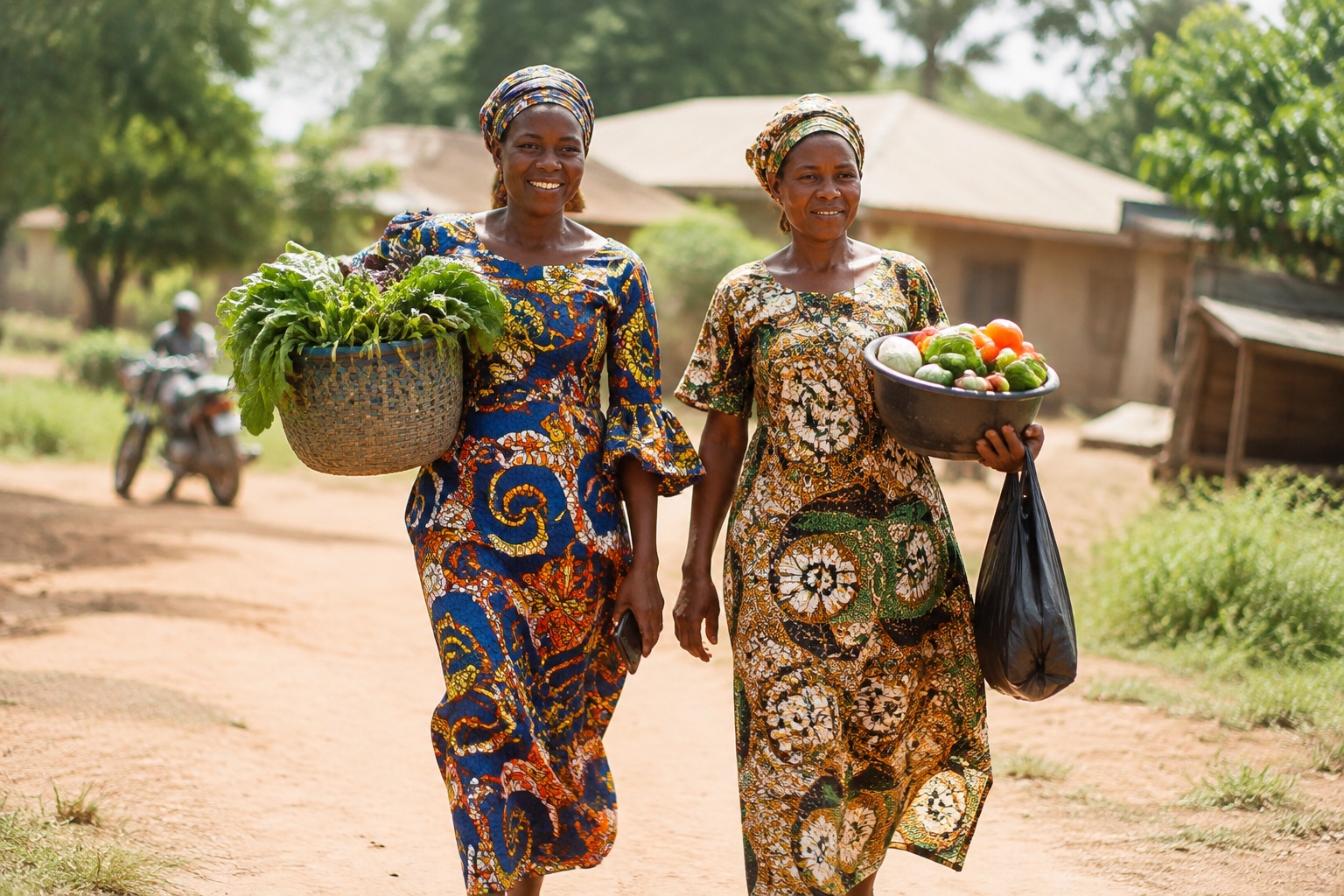
Safety Beyond the Forest: Ending the Risks Women and Girls Face Gathering Firewood
6 min read
Women & Livelihoods
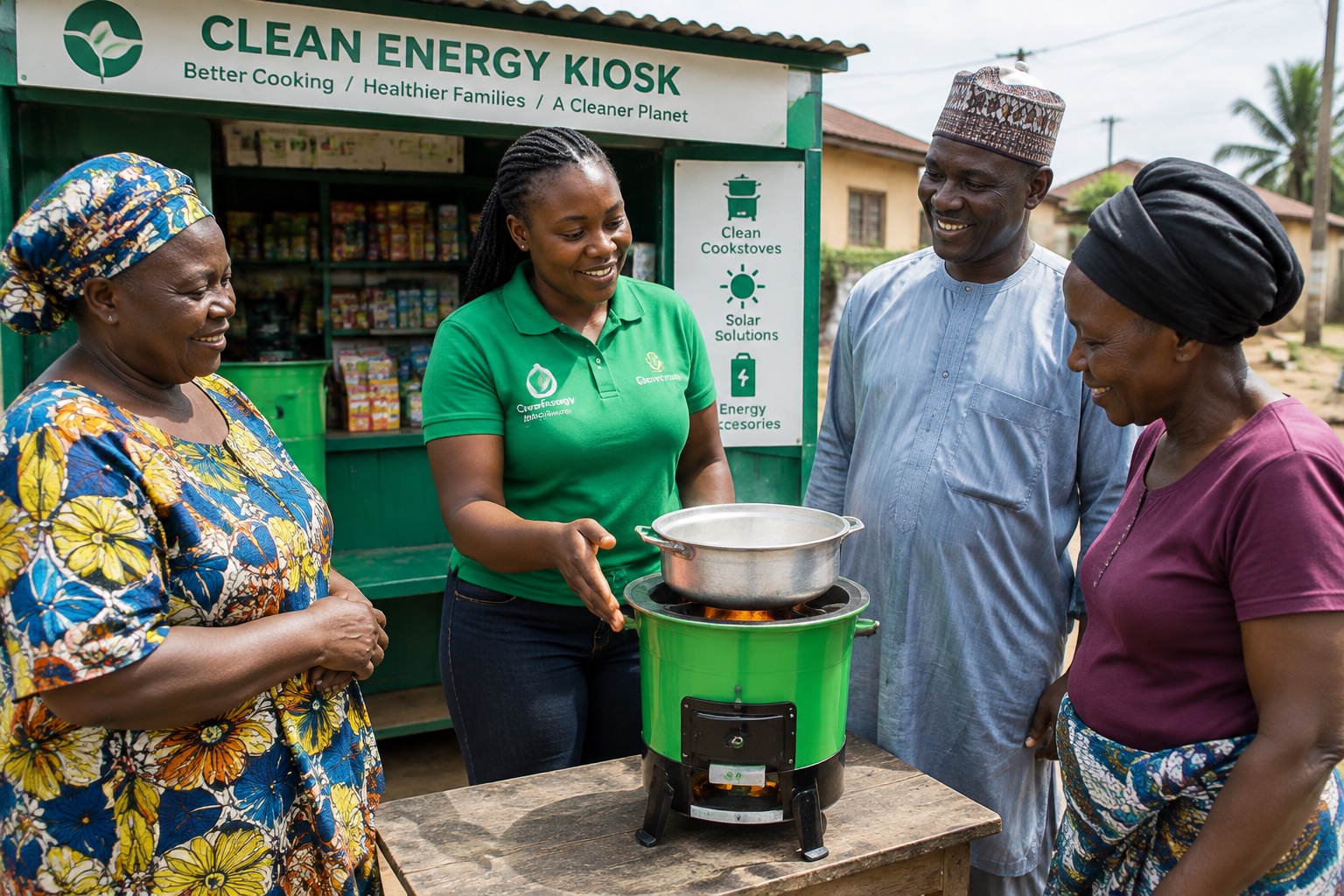
Women as Clean Energy Entrepreneurs: How CCCI Africa Is Building 50,000 Green Jobs
7 min read
Women & Livelihoods
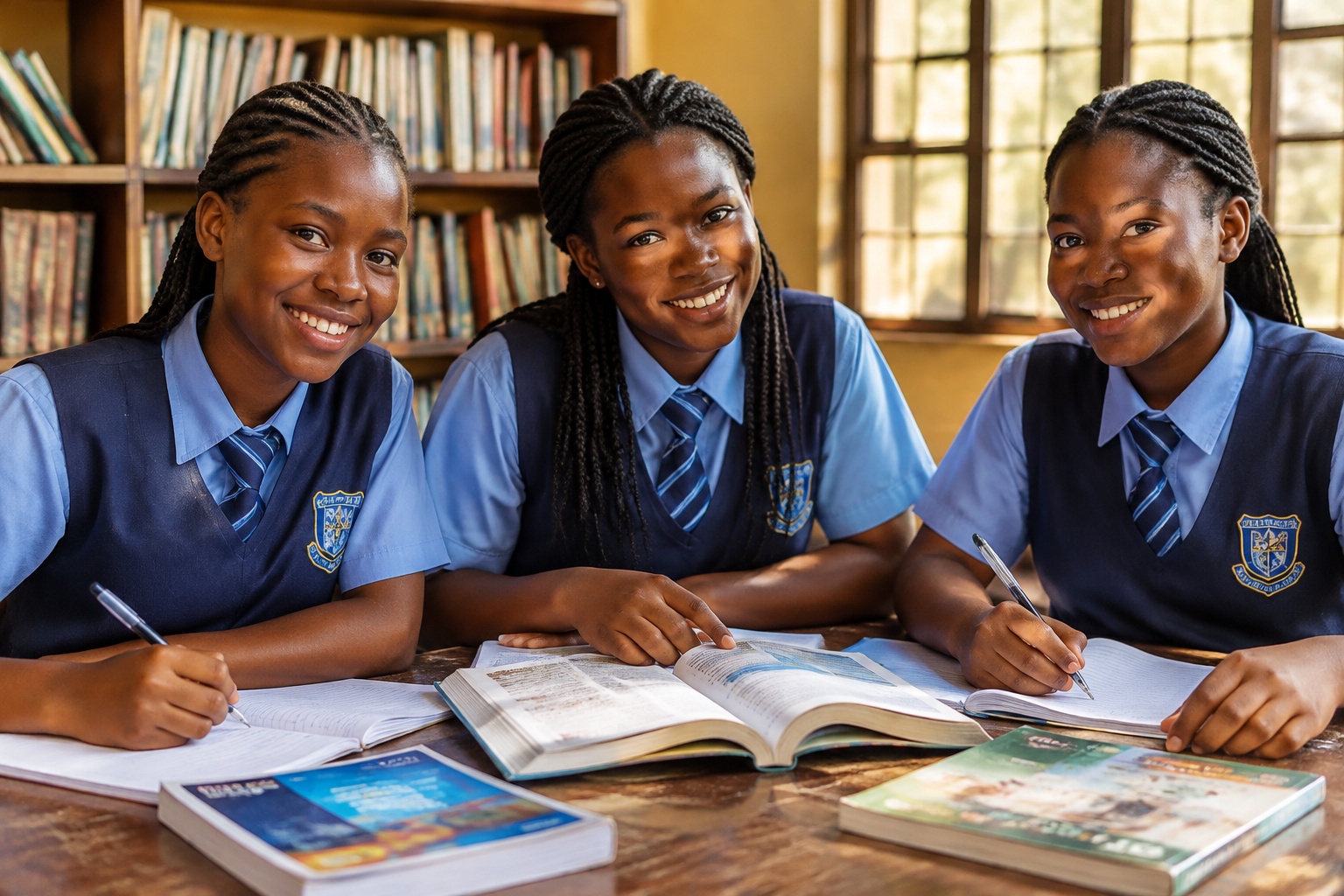
From Firewood to Classrooms: How Clean Cooking Keeps Adolescent Girls in School
5 min read