
Technology & Finance · 6 min read · 2026-10-10
Understanding ISO Clean Cookstove Tiers: Why Technology Choice Matters for African Kitchens
Not every 'improved' stove is truly clean. ISO 19867 performance tiers explain how efficiency, emissions, and safety guide CCCI Africa's vetted stove catalog.
Jose Anchelerguez, PhD
Program Advisor, CCCI Africa

What ISO Performance Tiers Actually Measure
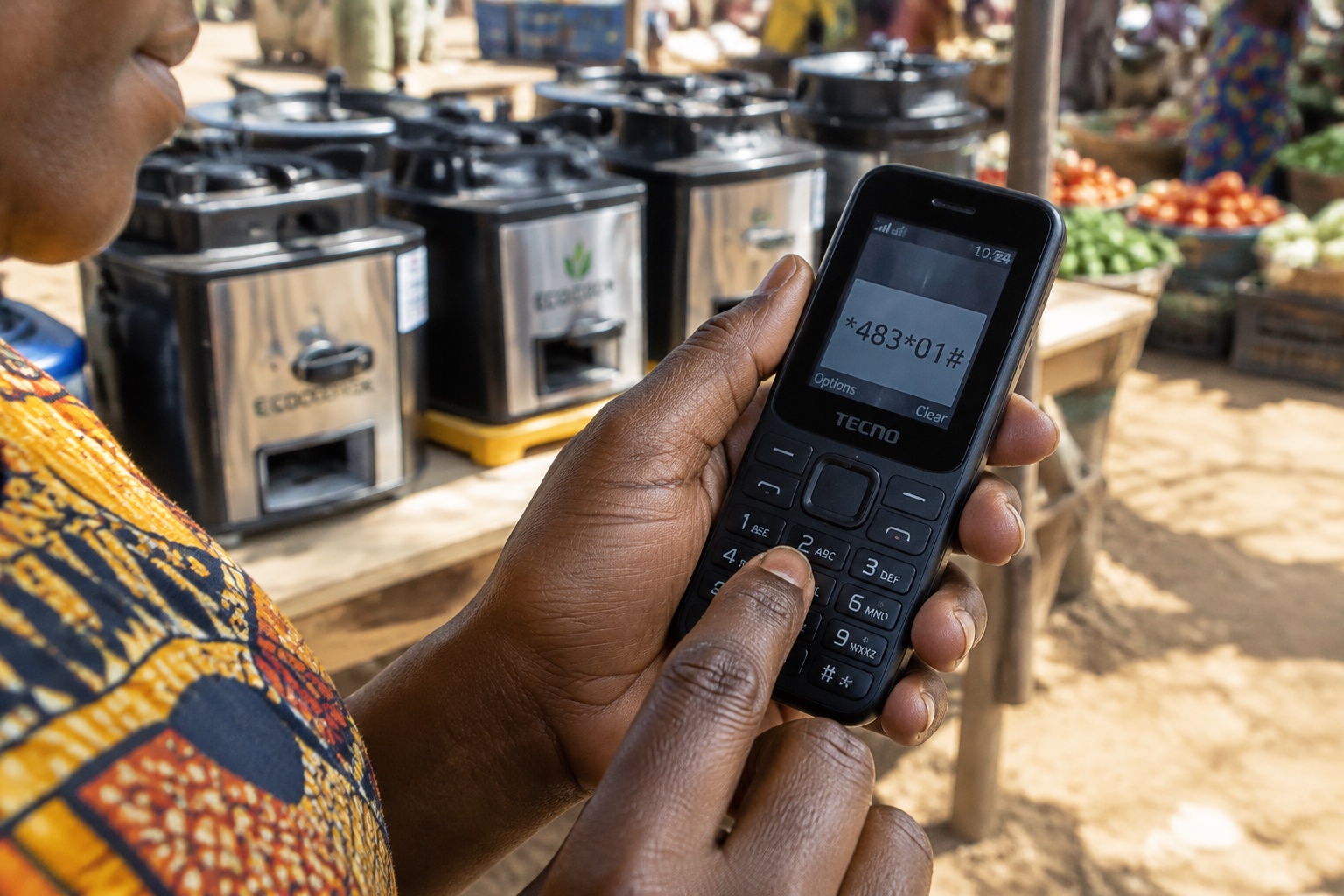
The International Organization for Standardization (ISO 19867) established rigorous laboratory and field benchmarks for cookstoves across five tiers. A traditional three-stone fire sits at Tier 0. While basic mud or metal rocket stoves (Tier 2) save fuelwood, achieving WHO indoor air quality health guidelines requires Tier 4 or Tier 5 performance—such as forced-draft biomass gasifiers, biogas, bioethanol, LPG, or electric induction.
Equally important is usability: if a stove cannot support a heavy pot while stirring amala or pounding eba, families will set it aside.
User Choice Drives Exclusive Adoption
Step 3 of CCCI Africa's approach guarantees choice of technology. Every stove in our network is field-vetted for Nigerian culinary needs, fuel availability, and durability—ensuring households adopt clean cooking permanently.
Research References & Sources
- ISO (2023). ISO 19867-1: Clean Cookstoves and Clean Cooking Solutions — Harmonized Testing Protocols.
- Clean Cooking Alliance (2024). Clean Cooking Catalog: Performance Benchmarks.
Support 200,000 Clean Kitchens Across Africa by 2030
Join a local CCCI Unit, dial *4428* for 24-hour clean cookstove access, or partner with CCCI Africa to scale women-led clean energy solutions.
Join or Partner TodayRelated Research Briefings
Technology & Finance
How USSD (*4428*) and AI Platforms Unlock 24-Hour Clean Cookstove Access Without Smartphones
6 min read

Technology & Finance
Micro-Financing the Clean Cooking Transition: How $150 in Annual Fuel Savings Pays for the Stove
7 min read

Climate & Forests
Halting West African Deforestation: How One Clean Cookstove Saves Two Tons of Firewood Every Year
7 min read