
Technology & Finance · 7 min read · 2026-10-30
Micro-Financing the Clean Cooking Transition: How $150 in Annual Fuel Savings Pays for the Stove
Upfront price is the #1 barrier to clean cooking—even when clean stoves are cheaper over 12 months. Here is how CCCI Africa unleashed $1M in cooking credit.
Celina Daniels, MBA
Finance Director, CCCI Africa
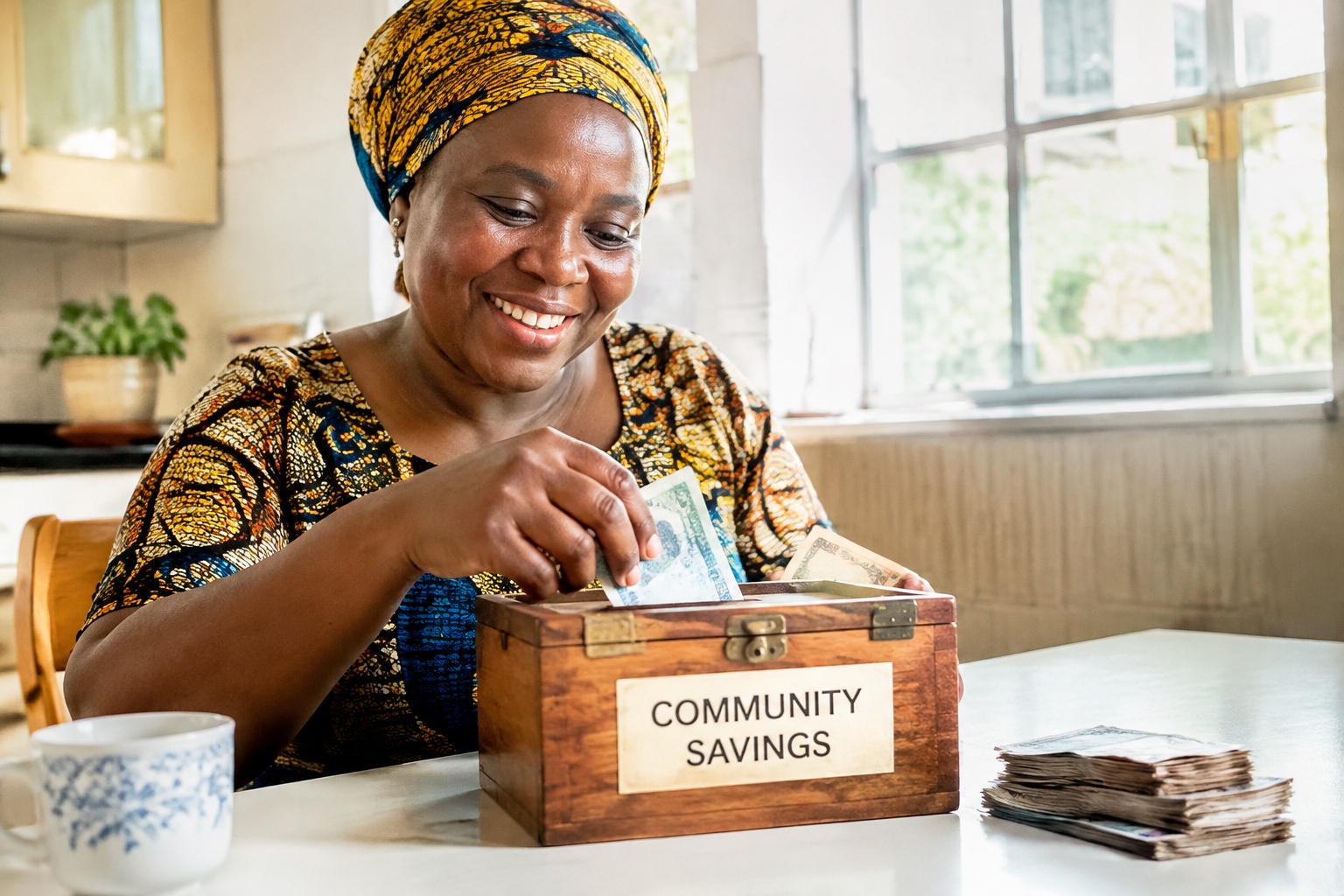
Solving the Affordability Paradox
Economic surveys by the IEA and African Development Bank highlight a striking paradox: families cooking with purchased charcoal or firewood often spend more per month than families using efficient clean stoves—yet they cannot assemble the upfront cash to buy a quality stove outright.
By partnering with local savers clubs and micro-finance structures, CCCI Africa has unleashed over $1 million in dedicated clean cooking credit. Members pay small, predictable installments using the exact cash they immediately stop spending on firewood and charcoal.
Building Credit Histories for Rural Women
Successfully completing a clean cookstove repayment cycle establishes a formal credit track record for women who were previously unbanked—unlocking future loans for farming inputs, school fees, and clean energy micro-enterprises.
Research References & Sources
- IEA & AfDB (2024). Clean Cooking Financing: Bridging the Affordability Gap in Africa.
- Clean Cooking Alliance (2023). Consumer Financing Models for Clean Cookstoves.
Support 200,000 Clean Kitchens Across Africa by 2030
Join a local CCCI Unit, dial *4428* for 24-hour clean cookstove access, or partner with CCCI Africa to scale women-led clean energy solutions.
Join or Partner TodayRelated Research Briefings
Technology & Finance
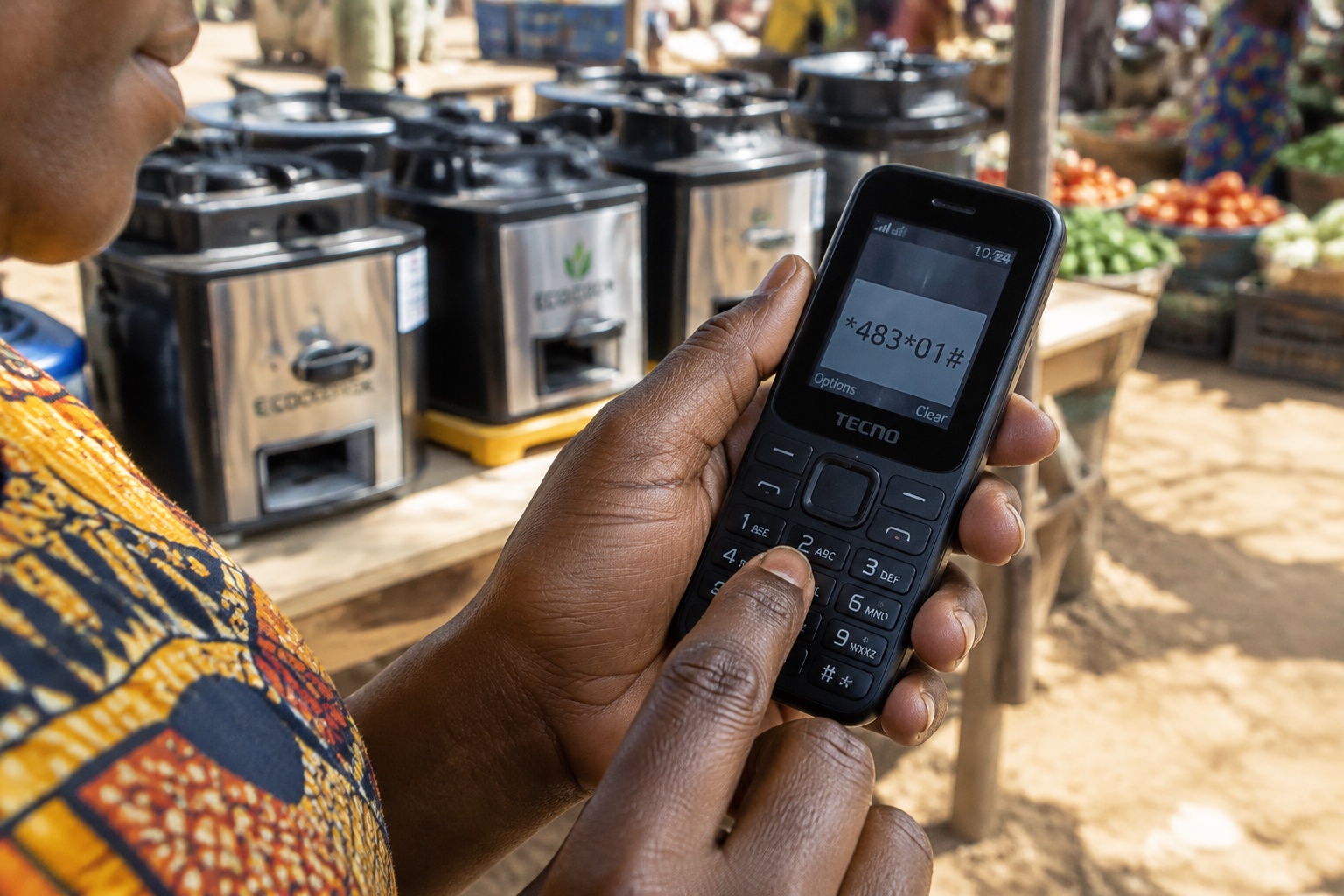
How USSD (*4428*) and AI Platforms Unlock 24-Hour Clean Cookstove Access Without Smartphones
6 min read
Technology & Finance
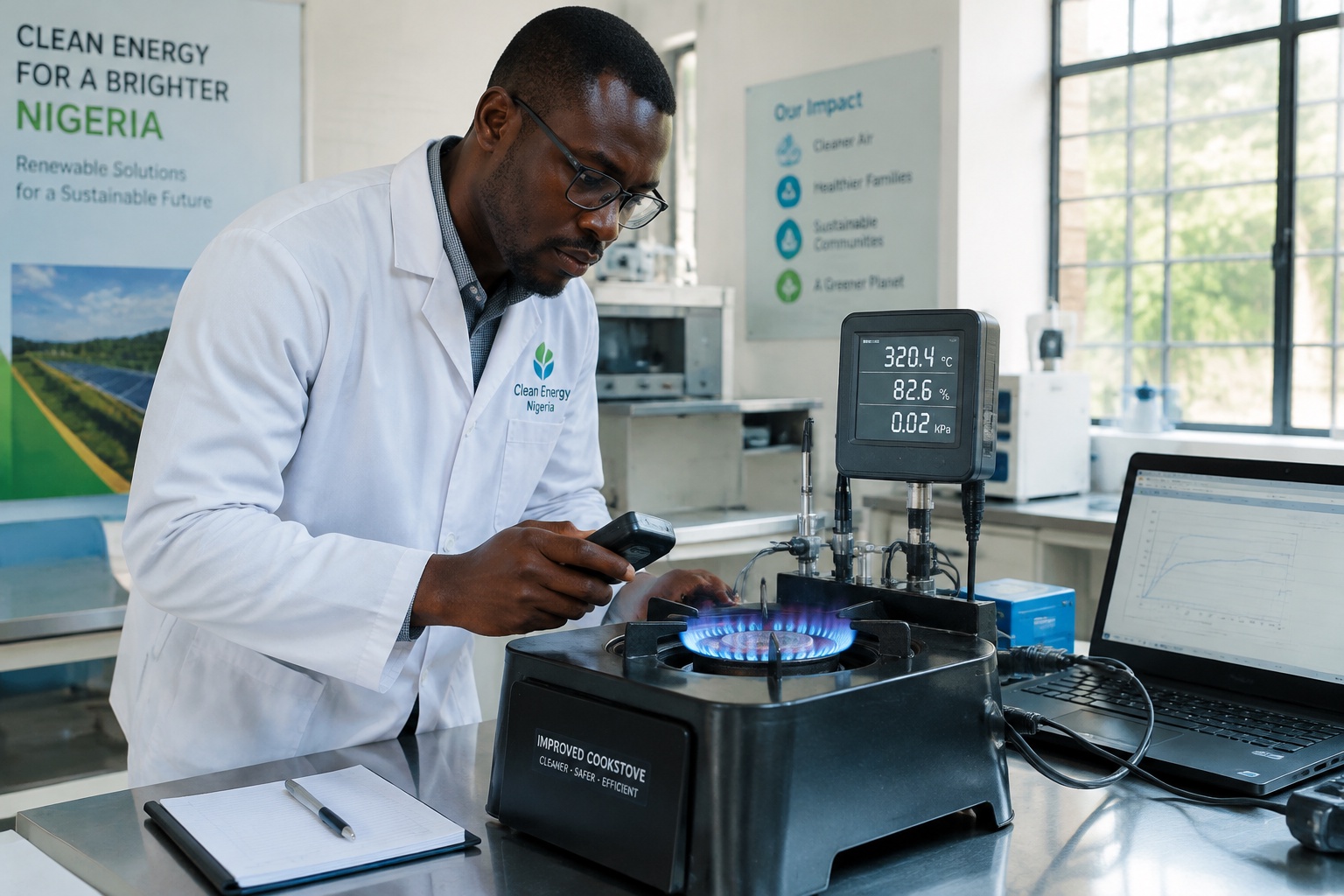
Understanding ISO Clean Cookstove Tiers: Why Technology Choice Matters for African Kitchens
6 min read

Climate & Forests
Halting West African Deforestation: How One Clean Cookstove Saves Two Tons of Firewood Every Year
7 min read