
Policy & Communities · 7 min read · 2026-11-08
Nigeria's National Clean Cooking Policy and SDG 7: How Grassroots Networks Close the 2030 Gap
Nigeria's National Clean Cooking Policy sets ambitious targets for universal access—but policy succeeds only when paired with community delivery networks.
Joyce Ogbeide
South West Director, CCCI Africa

From National Policy Commitments to Rural Kitchens
With over 160 million citizens still relying primarily on firewood, charcoal, or kerosene, Nigeria is central to achieving Sustainable Development Goal 7 (Affordable and Clean Energy) across Africa. The Federal Government's National Clean Cooking Policy and Nigeria Energy Transition Plan recognize clean cooking as essential for public health, deforestation control, and net-zero commitments.
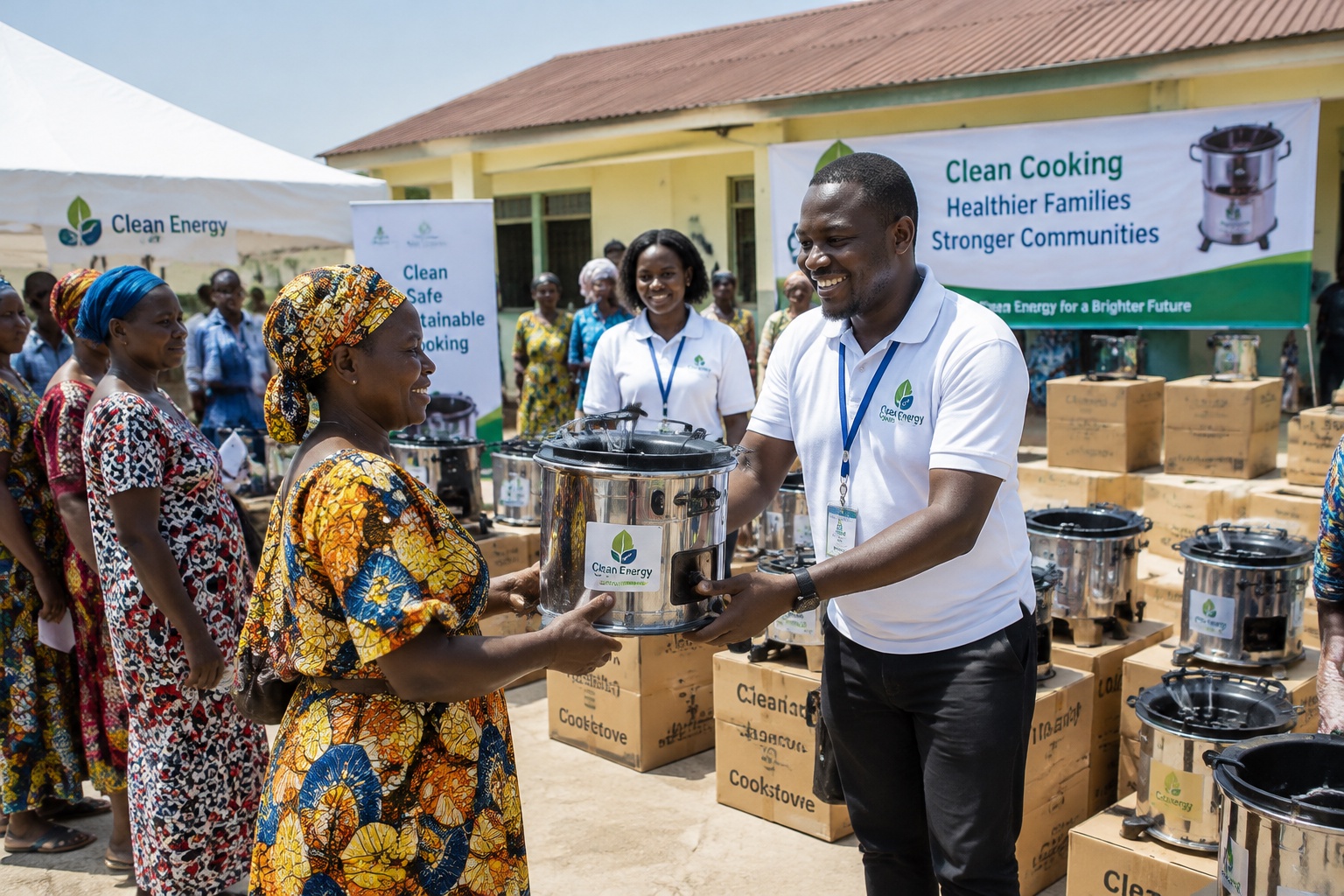
Yet policy frameworks crafted in Abuja only transform lives when trusted grassroots institutions translate them into rural LGAs, farming villages, and informal settlements.
Grassroots Data Informing Better Policy
Under Pillar 4 (Policy & Advocacy), CCCI Africa brings real household adoption data, women's voices, and micro-credit lessons from 300+ CCCI Units directly to policymakers, development banks, and climate negotiators—ensuring national funding reaches the last mile.
Research References & Sources
- Federal Ministry of Environment, Nigeria (2024). Nigeria Energy Transition Plan & National Clean Cooking Policy.
- International Energy Agency (IEA) (2024). Africa Energy Outlook: Clean Cooking Investment Needs.
Support 200,000 Clean Kitchens Across Africa by 2030
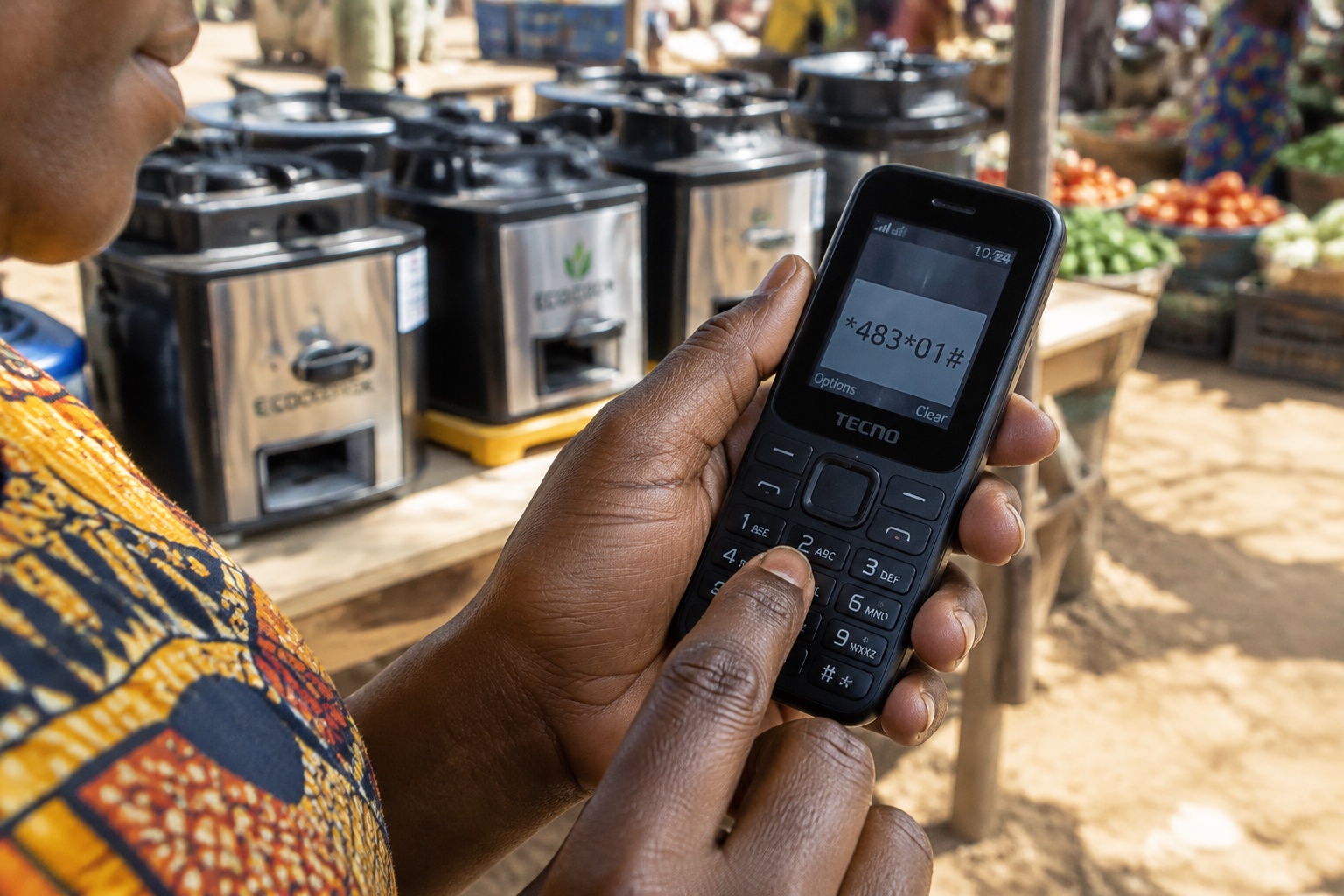
Join a local CCCI Unit, dial *4428* for 24-hour clean cookstove access, or partner with CCCI Africa to scale women-led clean energy solutions.
Join or Partner TodayRelated Research Briefings
Policy & Communities
Clean Cooking in Displaced and Informal Settlements: Why Energy Access Is a Humanitarian Necessity
6 min read
Technology & Finance
How USSD (*4428*) and AI Platforms Unlock 24-Hour Clean Cookstove Access Without Smartphones
6 min read

Climate & Forests
Halting West African Deforestation: How One Clean Cookstove Saves Two Tons of Firewood Every Year
7 min read