
Policy & Communities · 6 min read · 2026-09-17
Clean Cooking in Displaced and Informal Settlements: Why Energy Access Is a Humanitarian Necessity
Over 90% of displaced households rely on unsafe open fires. Bringing CCCI Units to IDP camps and informal settlements restores dignity, safety, and health.
Remi Adeosun, MD
Managing Director, CCCI Africa
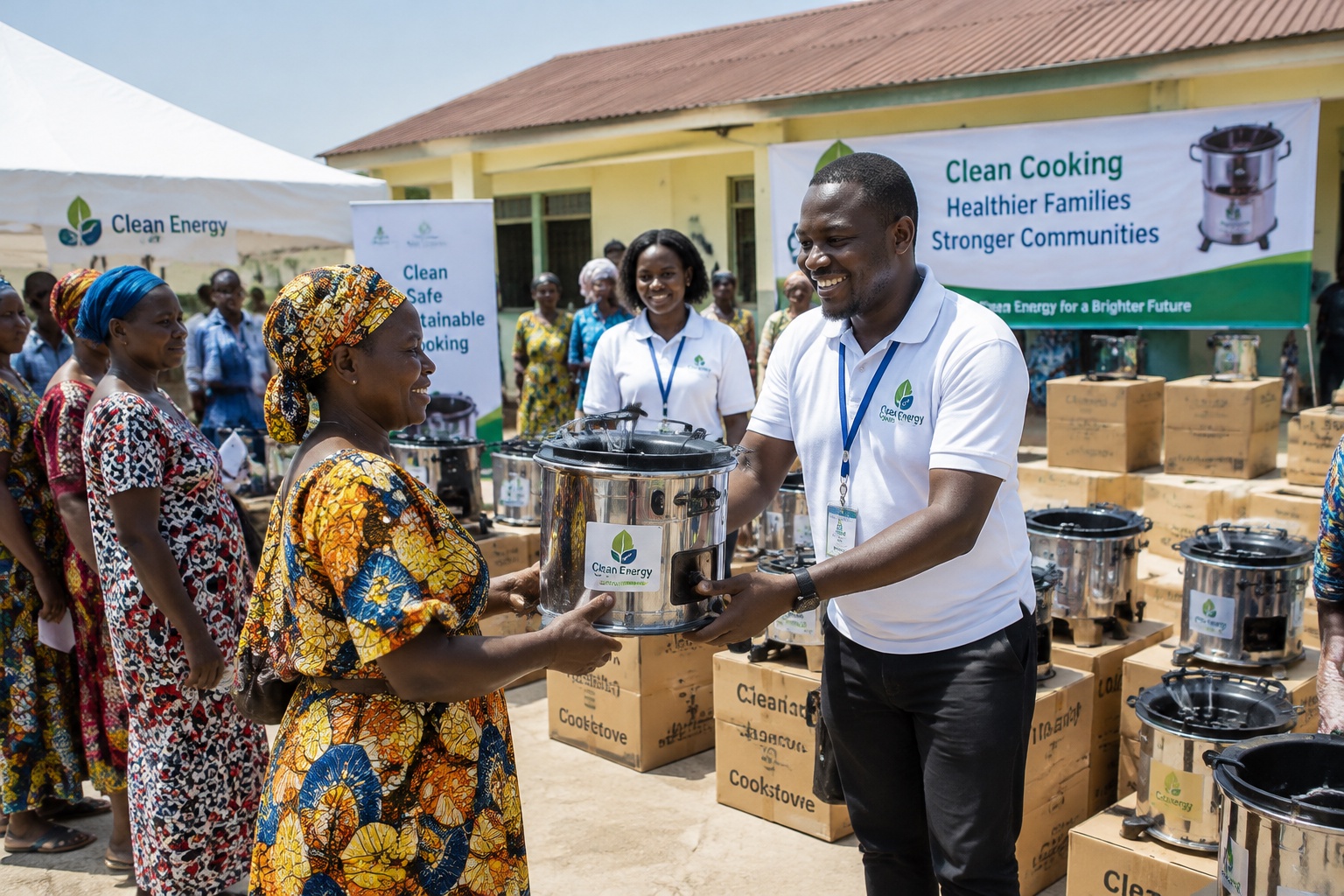
Food Aid Without Cooking Energy Leaves Families Vulnerable
The Global Platform for Action on Sustainable Energy in Displacement Settings (GPA) estimates that more than 90% of refugees and internally displaced persons (IDPs) cook with polluting solid fuels. Staple rations like beans, rice, and maize cannot be eaten without fuel—forcing displaced mothers to either trade away precious food for firewood or send daughters into unsafe bushland.
Stories like 16-year-old Tolu in an Ogun displaced settlement illustrate how urgently clean cooking belongs at the core of humanitarian response.
Building Resilience Inside Vulnerable Settlements
Through donor-backed partnerships and local community leaders, CCCI Africa deploys durable, fuel-efficient cookstoves directly into displaced and informal settlements—cutting fuel demand by 60%, preventing shelter fires, and training residents to manage ongoing maintenance.
Research References & Sources
- UNITAR Global Platform for Action (GPA) (2023). The State of the Humanitarian Energy Sector.
- UNHCR (2024). Clean Energy Access in Displacement Settings.
Support 200,000 Clean Kitchens Across Africa by 2030
Join a local CCCI Unit, dial *4428* for 24-hour clean cookstove access, or partner with CCCI Africa to scale women-led clean energy solutions.
Join or Partner TodayRelated Research Briefings

Policy & Communities
Nigeria's National Clean Cooking Policy and SDG 7: How Grassroots Networks Close the 2030 Gap
7 min read
Technology & Finance
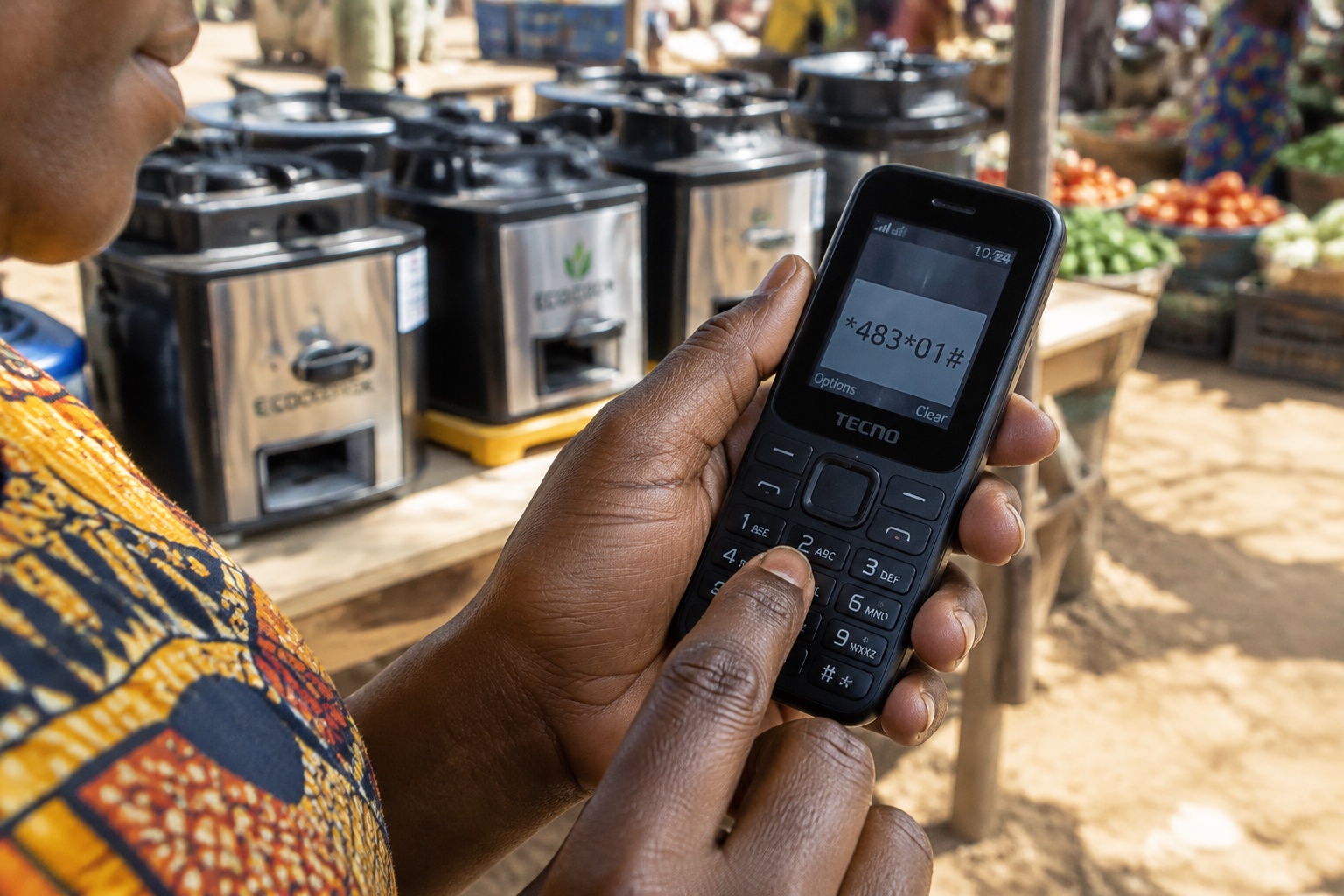
How USSD (*4428*) and AI Platforms Unlock 24-Hour Clean Cookstove Access Without Smartphones
6 min read

Climate & Forests
Halting West African Deforestation: How One Clean Cookstove Saves Two Tons of Firewood Every Year
7 min read